
Self-defense / skill before force
Self-defense begins before physical contact.
Recognising a situation, stating a boundary, creating distance and being able to leave: that is where useful self-defense begins. Physical technique has a place, but its value depends on understanding when a response is needed and what options remain.
The core
More options, less bravado.
Self-defense is not a collection of spectacular holds that always work. The first task is to understand what is happening. Can you leave, ask for help, state a boundary or maintain distance? A physical response becomes relevant as those options change.
Skill First takes a technical, grounded approach. We break a situation down, practise a small number of principles and examine how position, timing and context affect the result. It is a concrete learning process, with no promise of safety in every situation.
How we practise
From observation to a workable response.
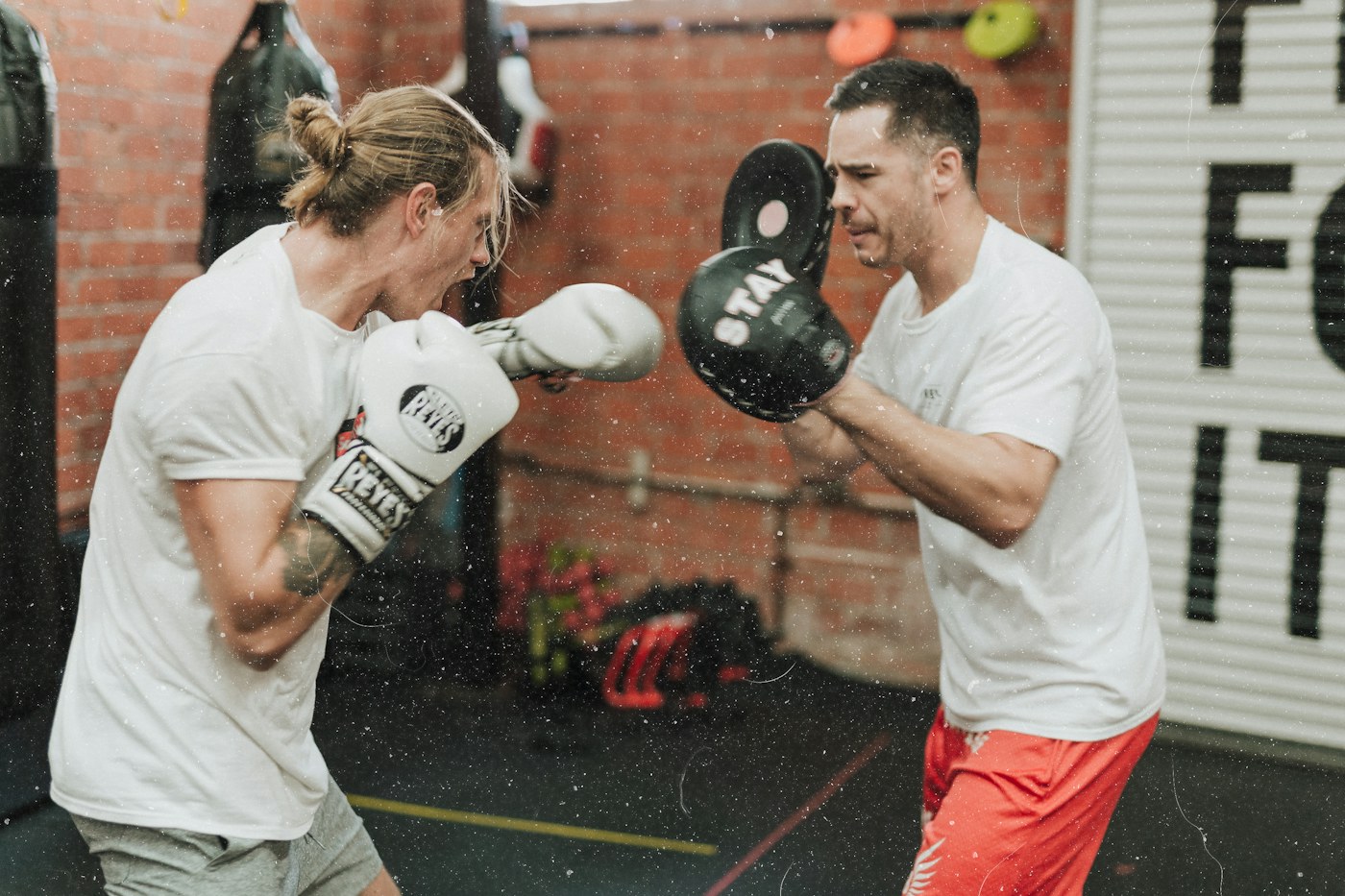
Training connects awareness of your surroundings with posture, movement and distance. Partner exercises let you explore what changes when someone comes closer, limits your space or does not respond to a verbal boundary.
Exercises are controlled and built progressively. Repetition helps you understand a principle; changing conditions show where a response is useful and where it is not. This reflects the way Skill First teaches skills.
Discover the methodYour starting point
Approachable for beginners, useful with experience.
You do not need to be a martial artist to learn self-defense. A beginner can start with boundaries, movement and simple choices. Someone who already trains can test familiar techniques in another context and examine what remains useful under pressure.
There is also a separate route for women. It starts with the questions, boundaries and practice situations that may matter to a women's group, rather than simply giving general training a different label.
Explore self-defense for womenPossible formats
A workshop or continued training.
A self-defense workshop can give a group a clear first framework. A course or further training allows time to revisit principles, refine responses and explore new situations. We discuss available formats based on the participants and their learning goals.
A company or school has different questions from an individual. Group enquiries therefore need attention to the setting and the people, which help determine how we structure the exercises.
Explore the workshopsAlso in Zwolle
Self-defense and physical resilience have different focuses.
If you mainly want practical physical training around boundaries, communication and room to act in Zwolle, physical resilience training may fit better. This page focuses on self-defense: situations where you need to protect yourself and make choices under pressure.
When you enquire, explain your question and whether you want to practise individually or with a group. Together, we can choose a suitable starting point, without promising an outcome that no training can guarantee.
Explore physical resilience training in ZwolleYour next step
Start with the situation.
A short message about your question and preferred format is enough to discuss how you could begin.
Discuss self-defense