
Observe
What is actually happening? We look at position, distance, timing and the other person's response before deciding what to change.
The method
A technique becomes useful when you recognise when and why it works. At Skill First, training starts with a clear question. Practice, feedback and variation then make the answer increasingly useful.
In practice
We start by looking at what happens in a position or exchange and choosing a detail you can explore. The coach shapes the conditions so you can notice the difference yourself, rather than collecting as many techniques as possible.
What is actually happening? We look at position, distance, timing and the other person's response before deciding what to change.
A focused exercise brings one question forward. It gives structure without prescribing every response.
Try a response and notice what changes when timing, space or resistance changes.
Feedback makes the next exercise more precise. We carry useful findings forward and revisit what did not work.
Learning by doing
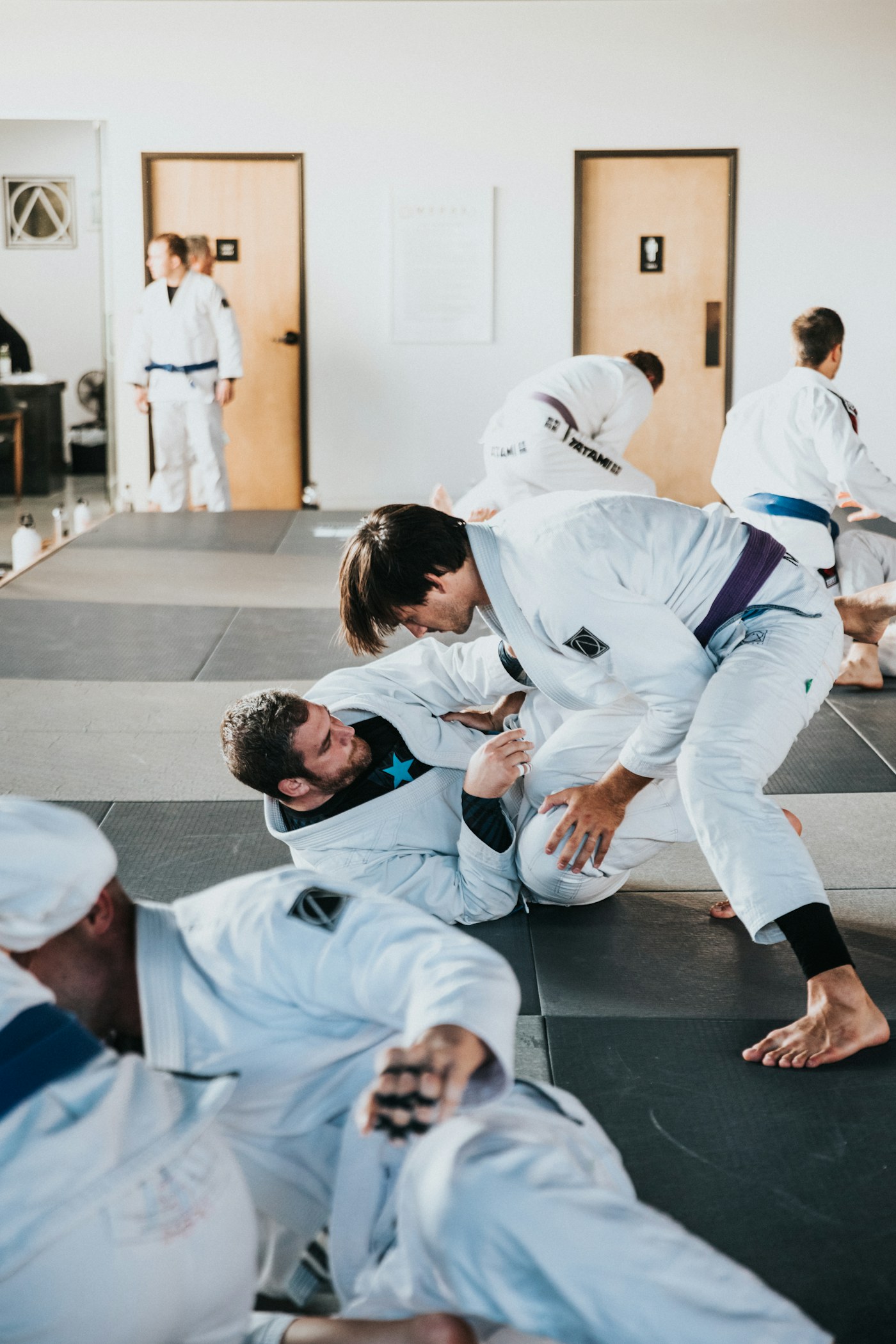
First, a clear form gives you a reference point. Then you explore the principle behind it by changing the conditions. You learn to recognise when a response fits, as well as how to perform it.
This process needs repetition and curiosity. The coach guides the exercise; you develop the ability to choose for yourself in a new situation. An individual technique becomes useful when you can connect it to your next decision.
One approach, several formats
Private coaching gives room for your technical detail. A workshop starts from a shared question. With companies, schools and children's groups, we also adapt the task to the participants. Whichever format fits, we practise carefully and keep the purpose clear.
Find further principles in Mental Models.