
Striking
Boxing or kickboxing: what changes when kicks are allowed?
Stance, distance and the kind of decisions made in training can change even when the punching techniques look familiar.
3 min read
Read articleStriking
A bag will let a boxer finish a combination. A partner may move after the first punch. Both exercises are useful, but they answer different questions.

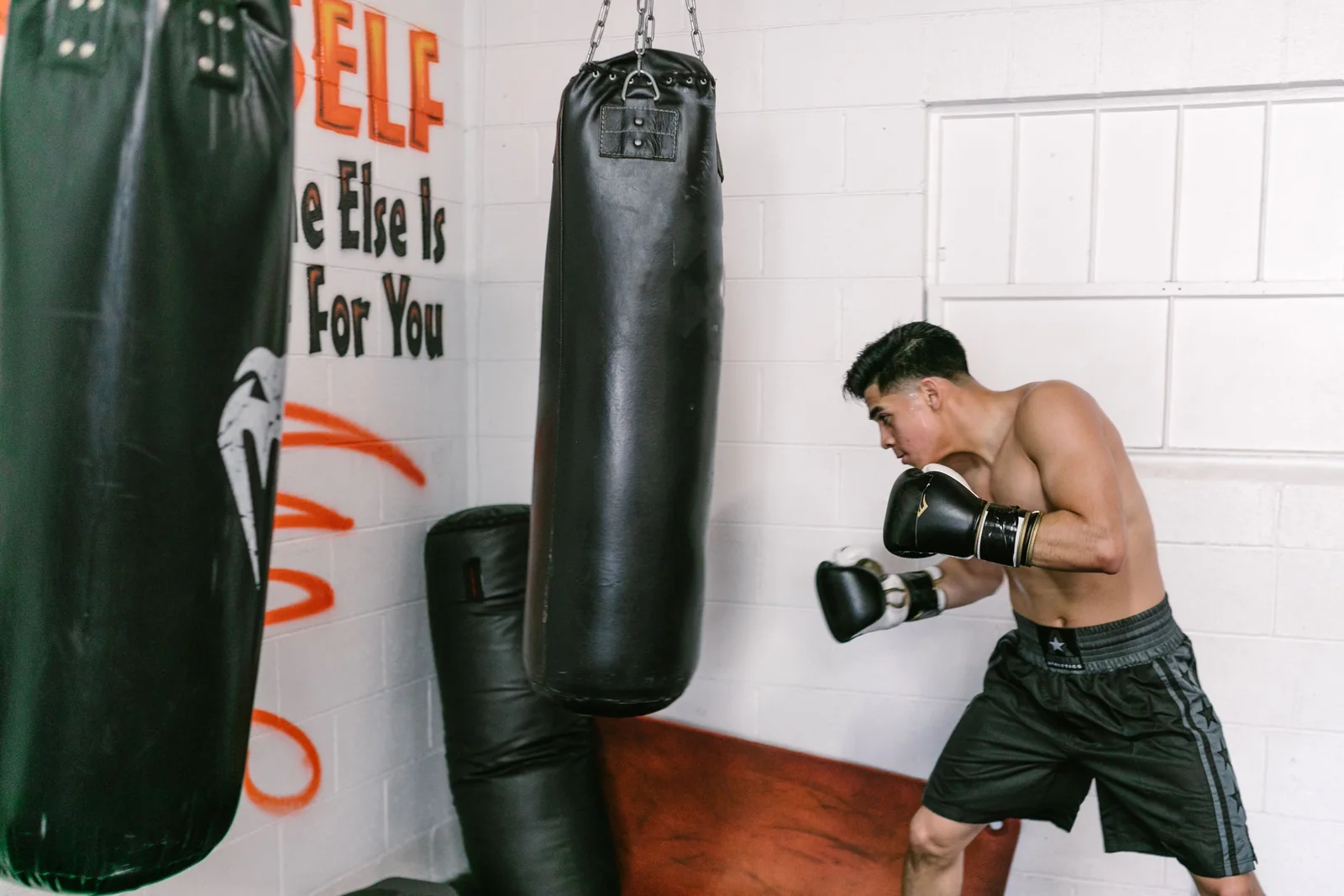
On a heavy bag, a boxer can concentrate on position, rhythm or recovering after a combination. There are fewer decisions from another person to interpret, leaving more attention for the movement being practised.
That is a useful limitation. A clean combination shows something about the movement, but does not prove the boxer can choose it when a partner changes distance. Decide which part of the skill the bag session is intended to work on.
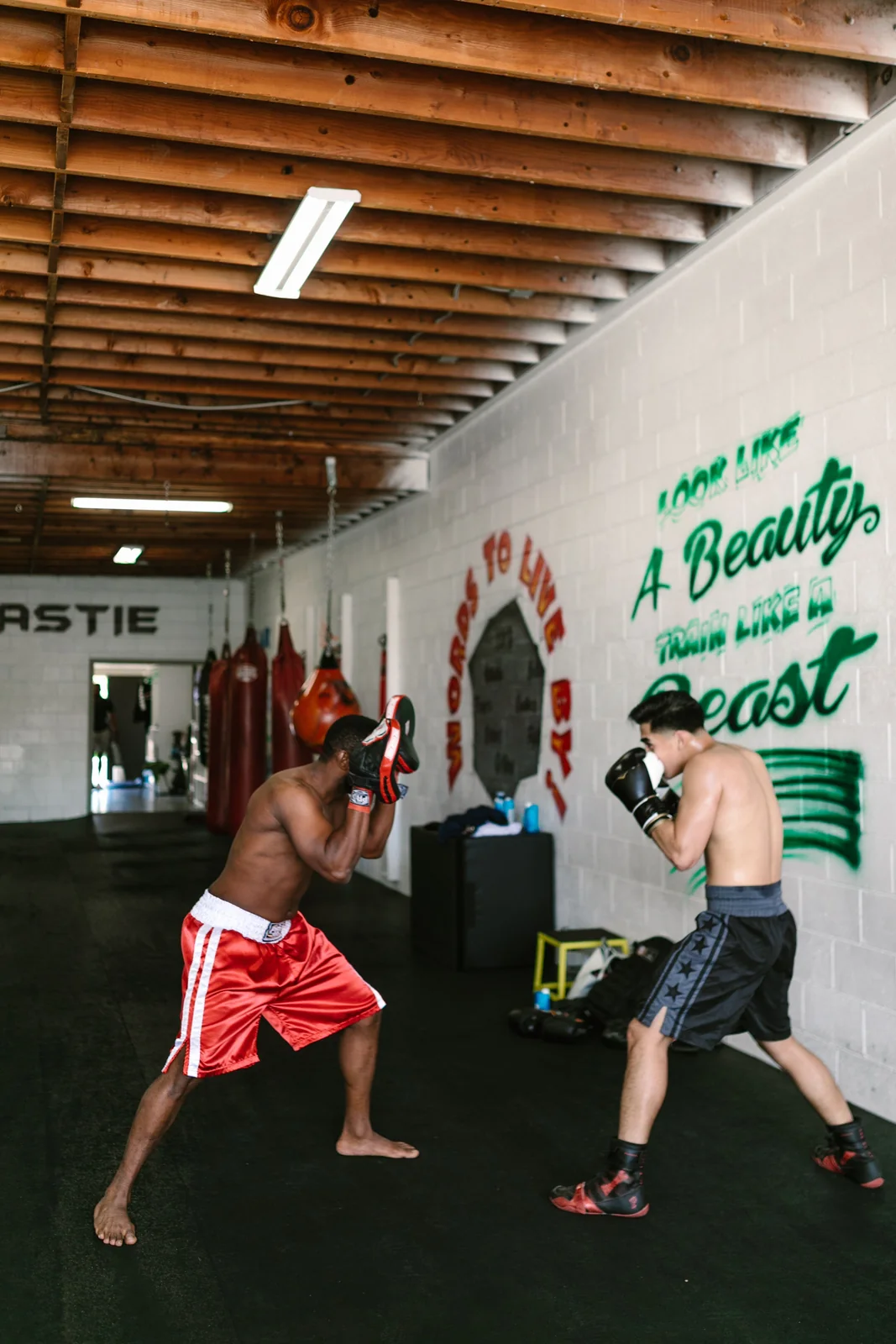
A pad holder can ask for a repeated sequence or vary the timing and distance. How many strikes land is less revealing than what the boxer has to notice to land them.
If the holder catches every punch wherever it goes, the feedback differs from a drill that requires the boxer to adjust. Either can have a purpose. Without knowing which is being practised, an effortless sequence may suggest more mastery than it actually demonstrates.
Sparring can involve a restricted technical task or a freer exchange. England Boxing’s material distinguishes approaches too. The word alone therefore says too little about what a session asks the partners to do.
Harder contact does not automatically improve learning. The aim, equipment, intensity and stop signals need to fit the people taking part. State what the round includes and which options are being left out before it starts.
A session might begin with a movement on the bag, add timing on pads and then test when it becomes available against a partner. That is one possible progression. Every lesson does not have to follow it.
Look at what each exercise adds. Perhaps the movement becomes clearer, the distance is recognised sooner, or the boxer can keep to a task while someone responds. Tiredness alone cannot say which of those changed.
Skill First
Want to explore a question from this article on the mat? Find a suitable training option or discuss where you would like to start.
Discuss your questionExplore the question from another angle.
Striking
Stance, distance and the kind of decisions made in training can change even when the punching techniques look familiar.
Striking
If the distance is already gone, moving the hand faster may not solve the problem.

Training & learning
Describe the grip, movement or moment that causes trouble, then give the coach something specific to watch.