
Pace
Can the other person follow the movement?
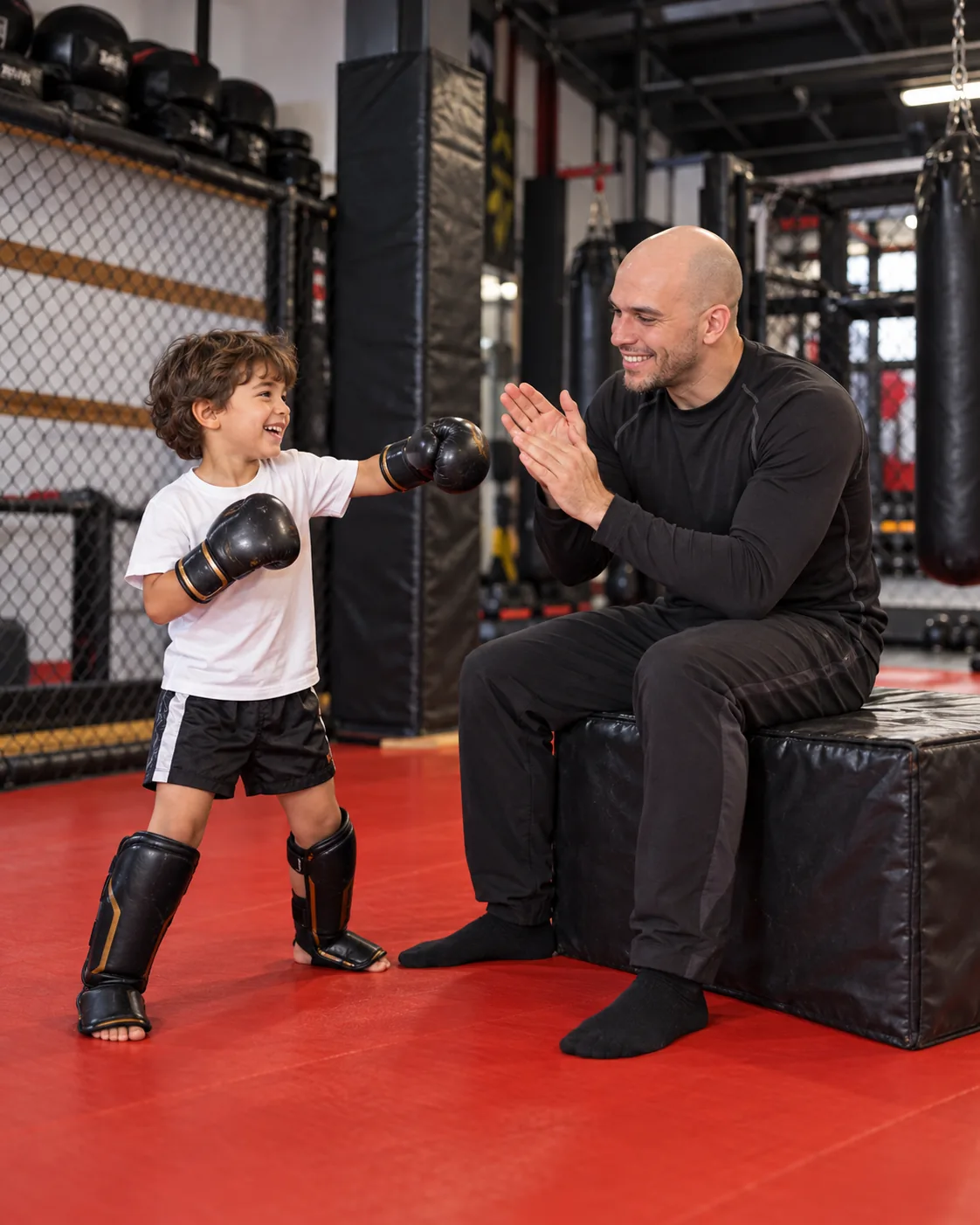
Practise moving away when a child or someone who depends on you is with you. I guide your group through positioning, simple instructions and partner scenarios focused on getting to a useful exit together.
Usually 1–3 hours · agreed with your group
Discuss this workshop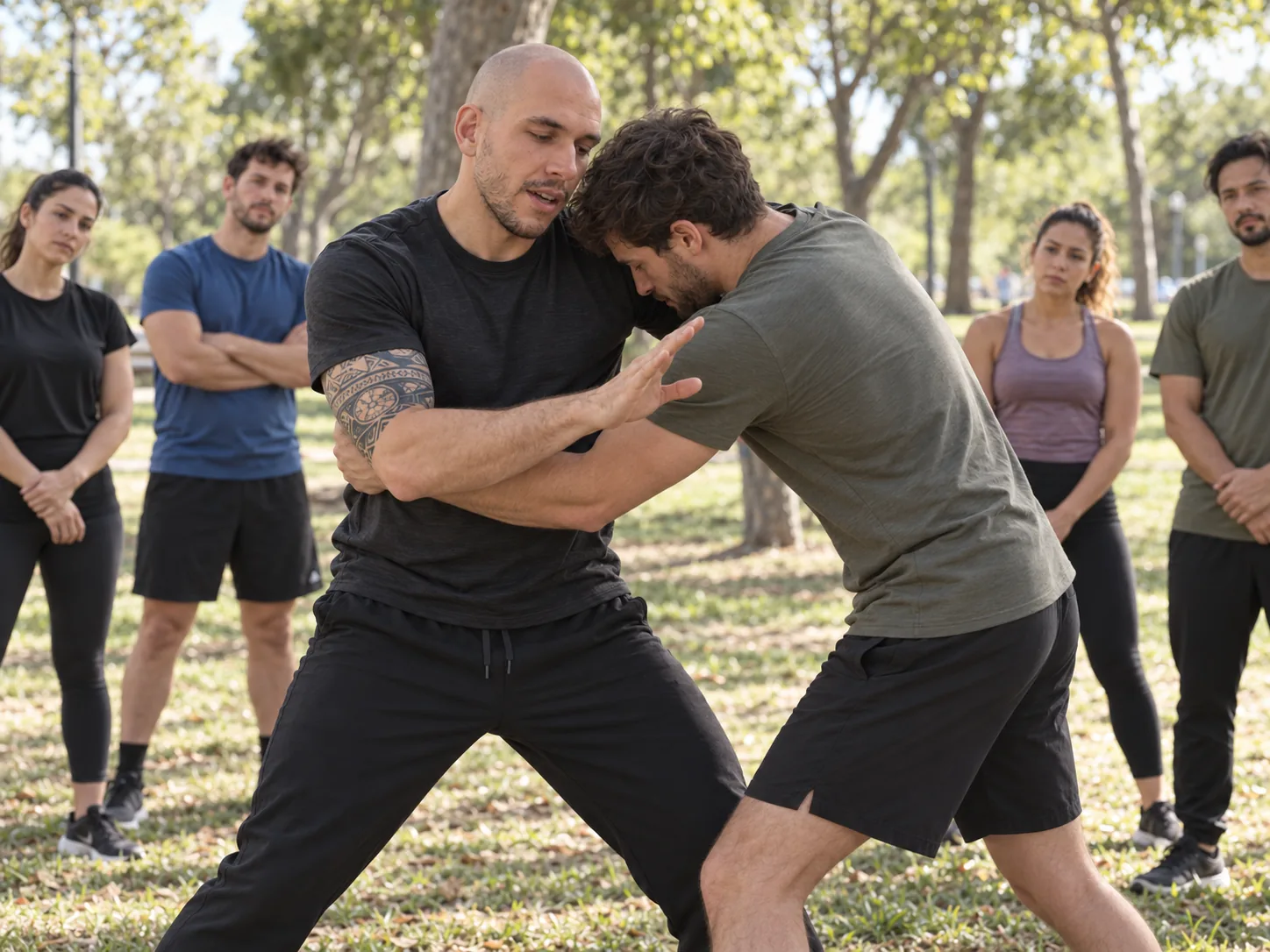
The workshop
When you are accompanying someone, moving away also means helping them move with you. We practise keeping track of their position, giving a short instruction and finding somewhere to go. I use defined partner roles so you can compare options and repeat the shared movement.
Your group
This suits adults who want to explore personal safety while accompanying someone who relies on them. Tell me about that context and who will join. We focus on everyday positioning and leaving together; professional restraint and incident-management qualifications require a different kind of training.
A route needs to work for the person you accompany too. We use the setting to discuss what makes moving together possible.
Can the other person follow the movement?
Is the way clear for both of you?
Where could you find someone to help?
Your workshop programme
In small partner tasks, take turns accompanying someone while a third role approaches at an agreed pace. Try where to stand and where to move. You practise keeping both the other person and a possible exit in view.
Rehearse a simple direction or agreed signal while adjusting your position. Partners swap the speaking and following roles, then compare what was understandable. The aim is to make moving together clearer without needing a long explanation during the situation.
Connect your instruction to moving towards an exit or help. Where relevant, try a simple protective response to agreed contact before moving again. I change one detail with you, so the group can discuss when the planned route stops being useful.
Describe who the workshop is for and who they usually accompany. I'll assess a suitable focus and practical format.