
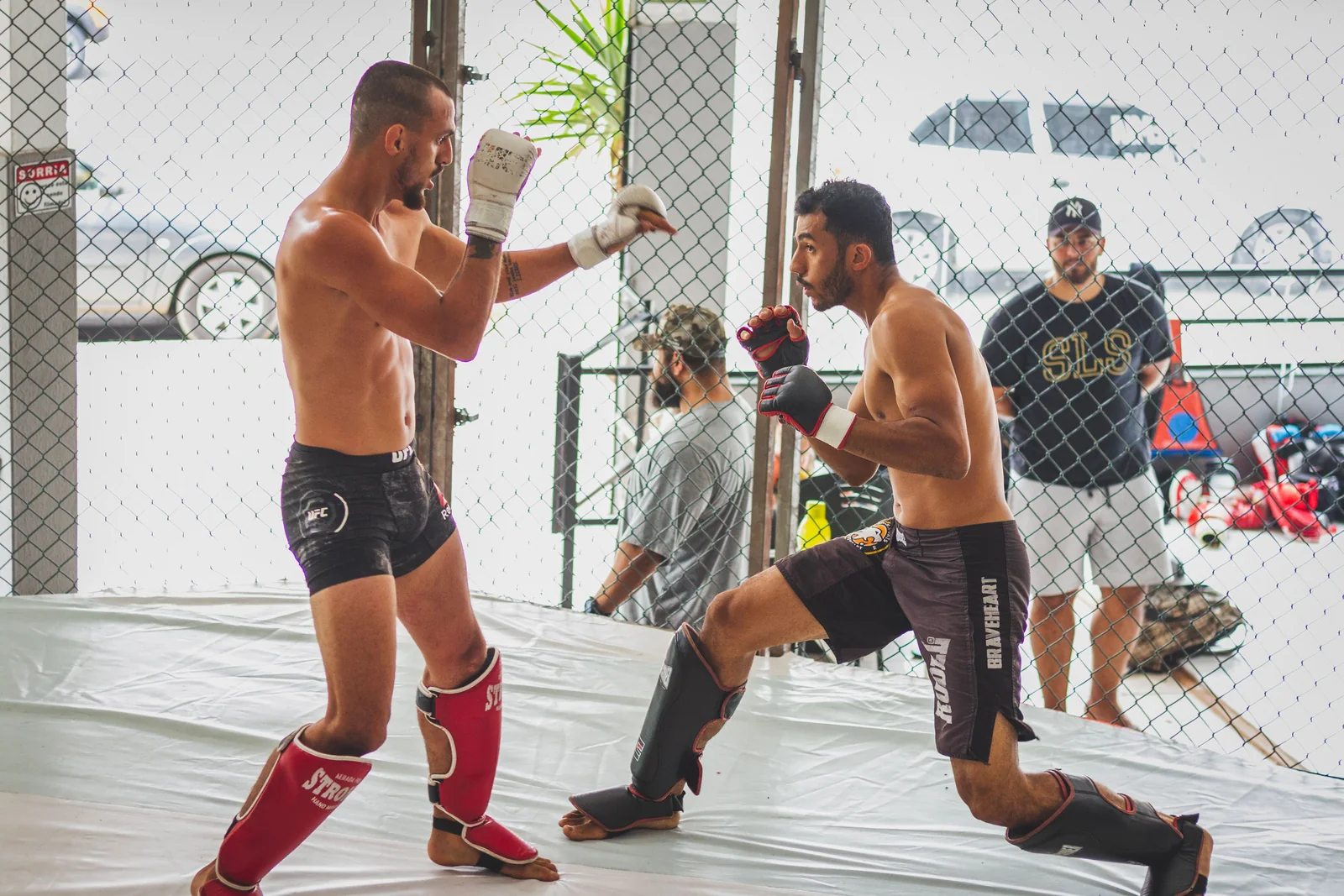
MMA
What is MMA? How striking, wrestling and ground fighting fit together
Why a boxer has to think about takedowns, and why a familiar grappling position changes once punches are possible.
3 min read
Read articleMMA
A fighter ends up on the ground and starts looking at the final position. Often the more useful question is earlier: when did the partner first gain control of the balance?
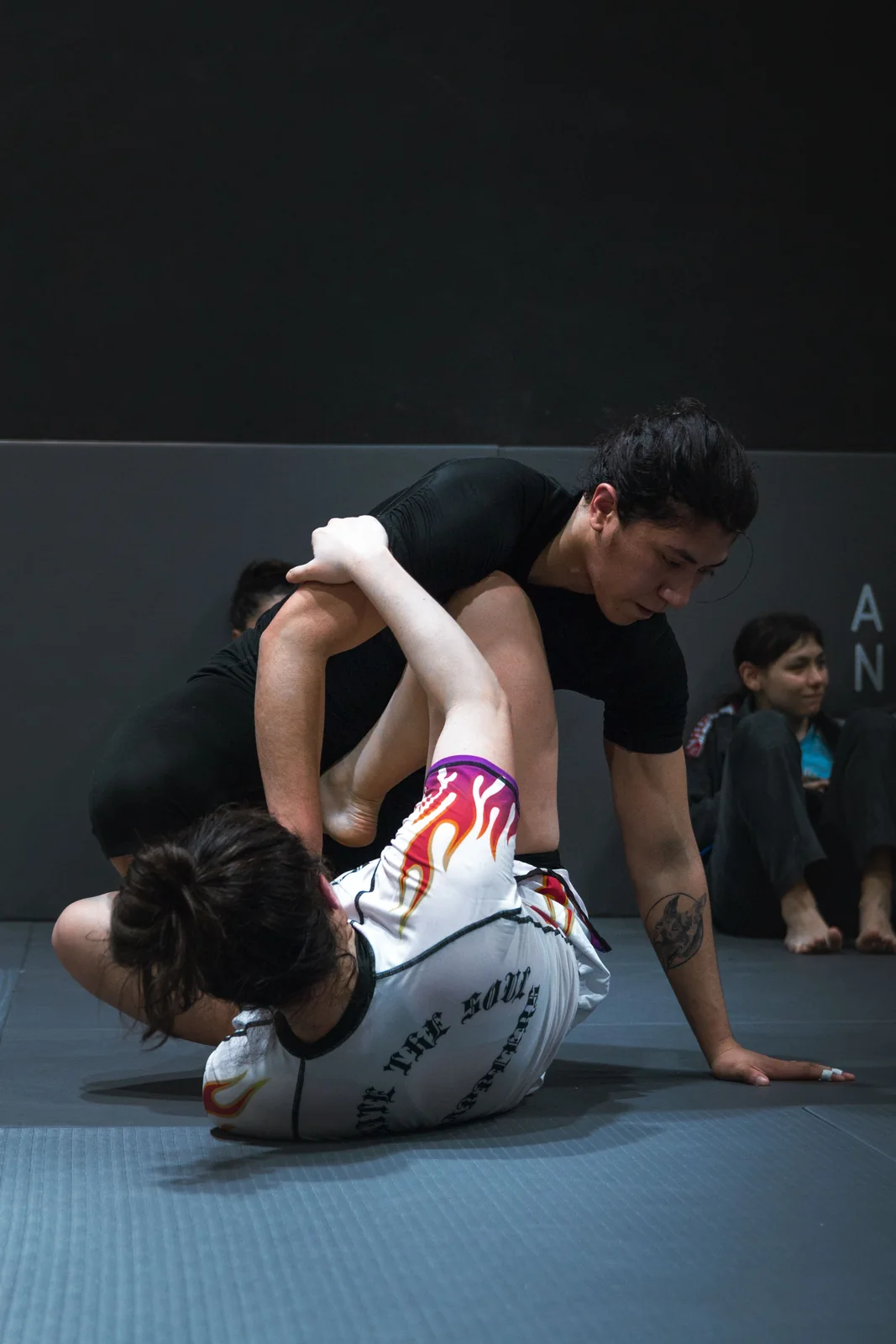
Standing work and ground fighting need different answers, but the movement between them is part of MMA too. Distance closes, contact develops and the options change before either player reaches the next settled position.
Ask when the partner became able to influence balance. That can move attention away from the final position towards an earlier turning point. The difficulty may have begun well before the fighter landed on the ground.
Choose a defined starting point with the coach and agree which options each partner has. Resistance and the moment to reset should be clear before the exercise.
Restricting a drill can reveal a part of the exchange without making the exercise inherently unrealistic. Its limits still matter. A successful response in a narrow task may disappear when a free round gives the partner other options.
Boxing can help with reading distance; grappling can help with understanding body contact and control. MMA changes how those skills are used. An answer that works under one sport’s rules may need adjusting when another threat is present.
Previous training does not have to be discarded. Test what remains useful and which part fails under the changed conditions. A specific comparison reveals more than judging the earlier discipline as a whole.
A player can lose the transition yet recognise it sooner than before. They can also win because the partner makes a mistake, without knowing why their own action worked. A short discussion can distinguish those results.
Describe what was noticed, which choice followed and how the partner’s response changed it. One question can then guide the next attempt. Later, the parts still have to meet in a fuller exchange.
Skill First
Want to explore a question from this article on the mat? Find a suitable training option or discuss where you would like to start.
Discuss your questionExplore the question from another angle.
MMA
Why a boxer has to think about takedowns, and why a familiar grappling position changes once punches are possible.
Grappling
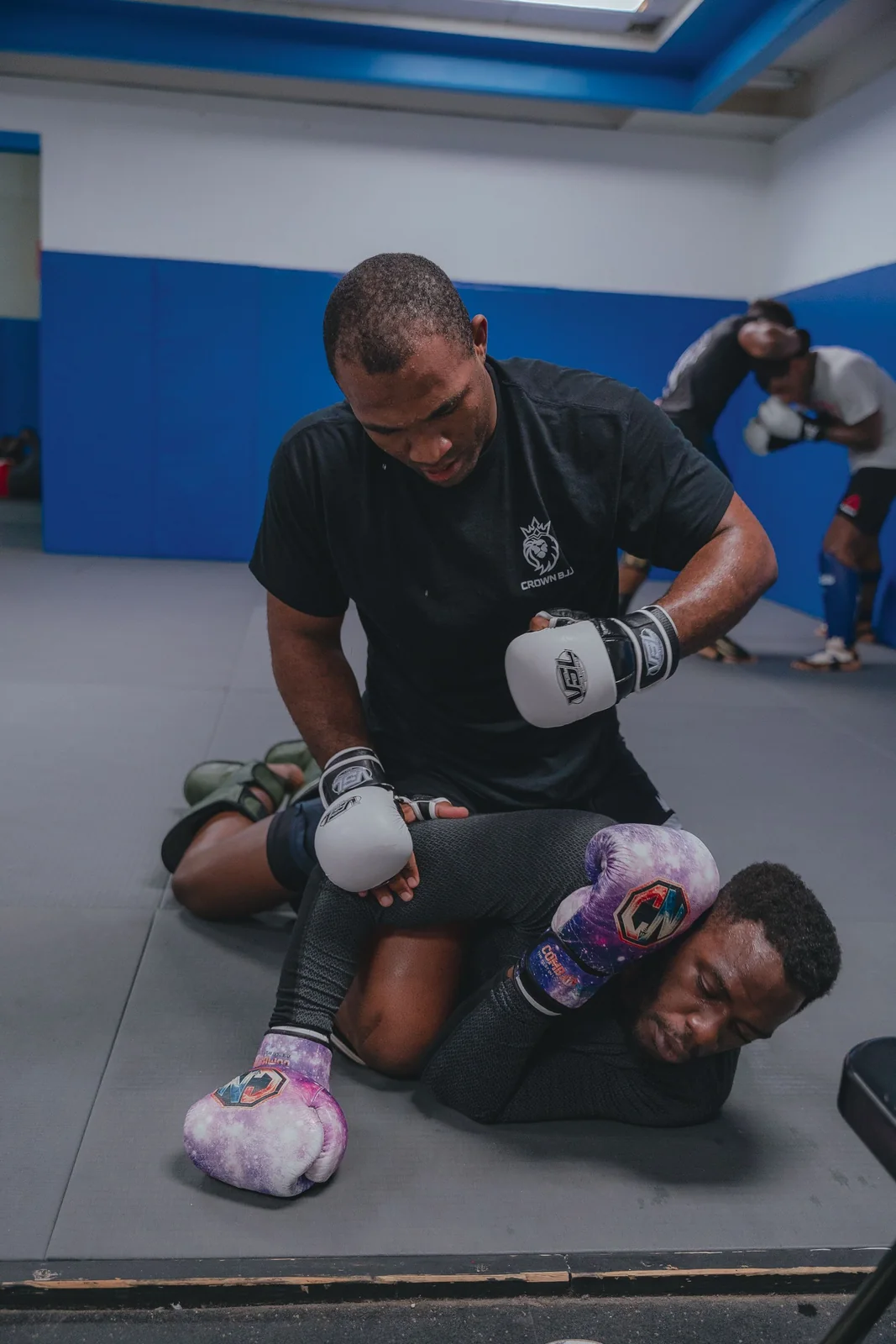
Holding someone close may still leave them room to punch. Ground & Pound makes that remaining space matter.
Training & learning
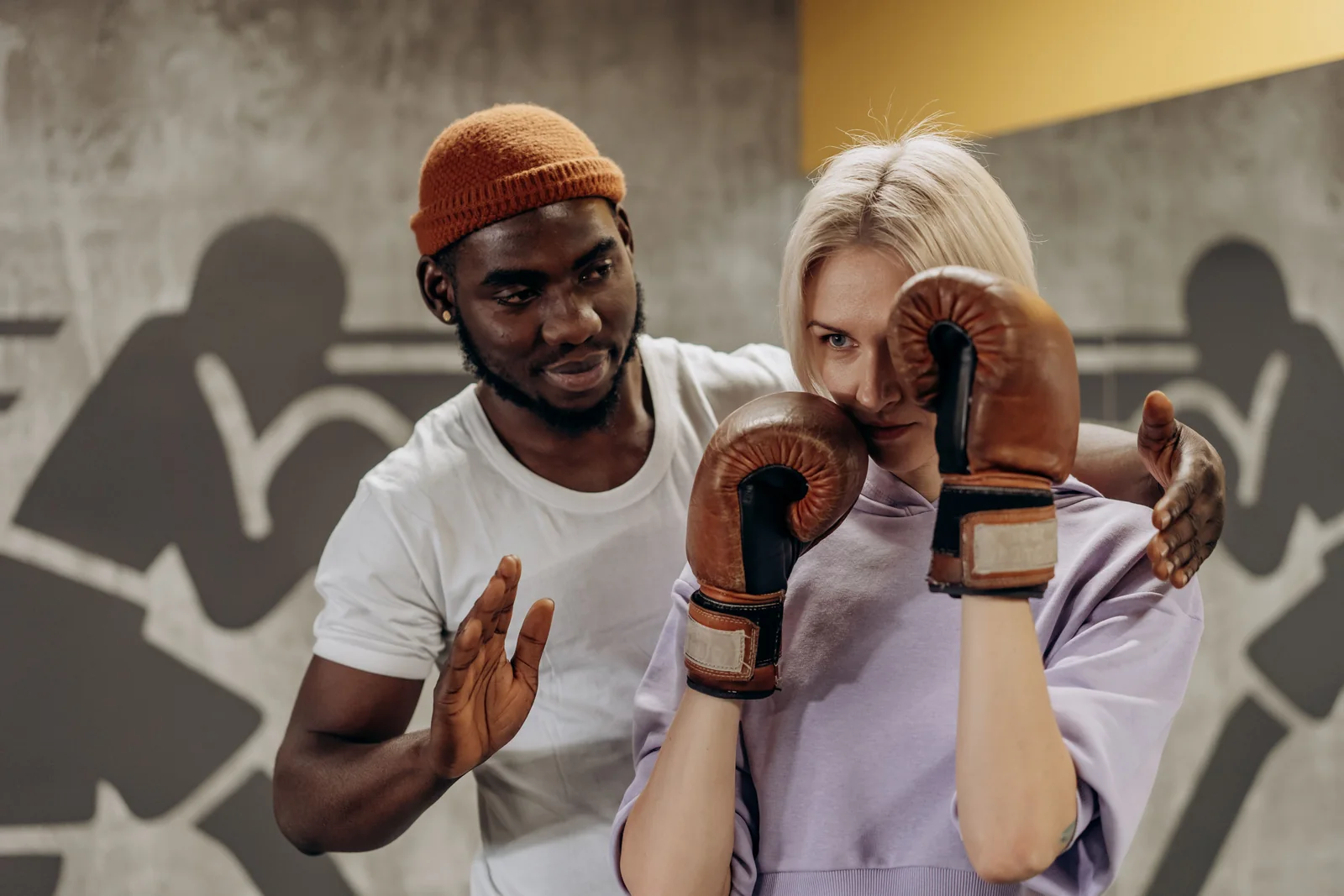
Describe the grip, movement or moment that causes trouble, then give the coach something specific to watch.