
MMA
Training MMA transitions: find the moment the fight changes
A problem on the ground may have started while the fighters were still standing. Return to that earlier moment.
3 min read
Read articleMMA
A boxer can be comfortable trading punches until someone attacks the legs. A grappler can feel secure in a position until strikes are added. MMA asks both to reconsider what they already know.
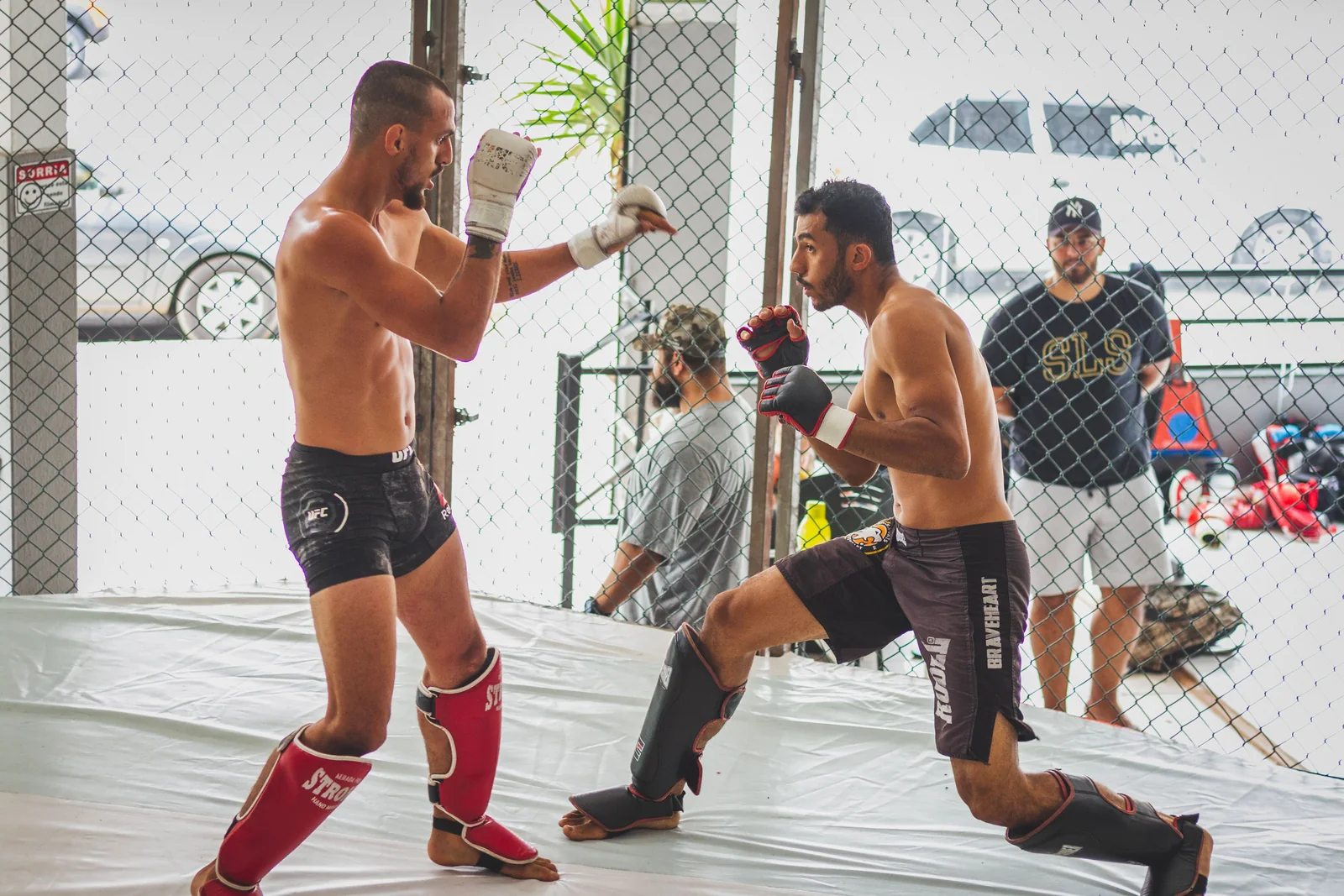
Mixed martial arts combines striking and grappling in a sport where an exchange can continue standing, in the clinch and on the ground. A fighter has to work across those ranges. The difficulty often lies in what happens as one turns into another.
With takedowns allowed, a boxer has different reasons to choose a stance, commit to a combination or enter range. On the ground, time spent setting up a grip may leave room for punches. Familiar techniques still matter, but their use has to account for threats that their original sport may exclude.
The UFC is a well known organisation that stages MMA competitions. The sport is practised and contested elsewhere too. Rules can differ, and an amateur bout should not be assumed to use the same rules as a professional one.
A televised fight offers little guidance about the right task for a beginner’s first lesson. Ask what the exercise includes and what has deliberately been left out. Technical MMA training is also open to people who have no wish to compete.
As a partner closes distance, a striking exchange can turn into a fight for balance. Once it reaches the ground, the available room to stand up may change again. Those moments are part of the fighting, not pauses between separate sports.
A coach can narrow the task to one transition: keeping posture as a partner comes into contact, for example. A round with every option available may hide where the position went wrong. A limited exercise makes that moment easier to identify and repeat.
Competition rules, the task for a drill and agreements between training partners are different things. A technique being allowed in a fight does not mean it belongs in a beginner’s round. Starting positions, protective equipment and contact need to suit the participants and the aim of the session.
After a round, return to a particular moment. Was the distance already gone before the fighter noticed? Did a grip hold while their balance failed? Those observations give the next exercise something concrete to work on.
Skill First
Want to explore a question from this article on the mat? Find a suitable training option or discuss where you would like to start.
Discuss your questionExplore the question from another angle.
MMA
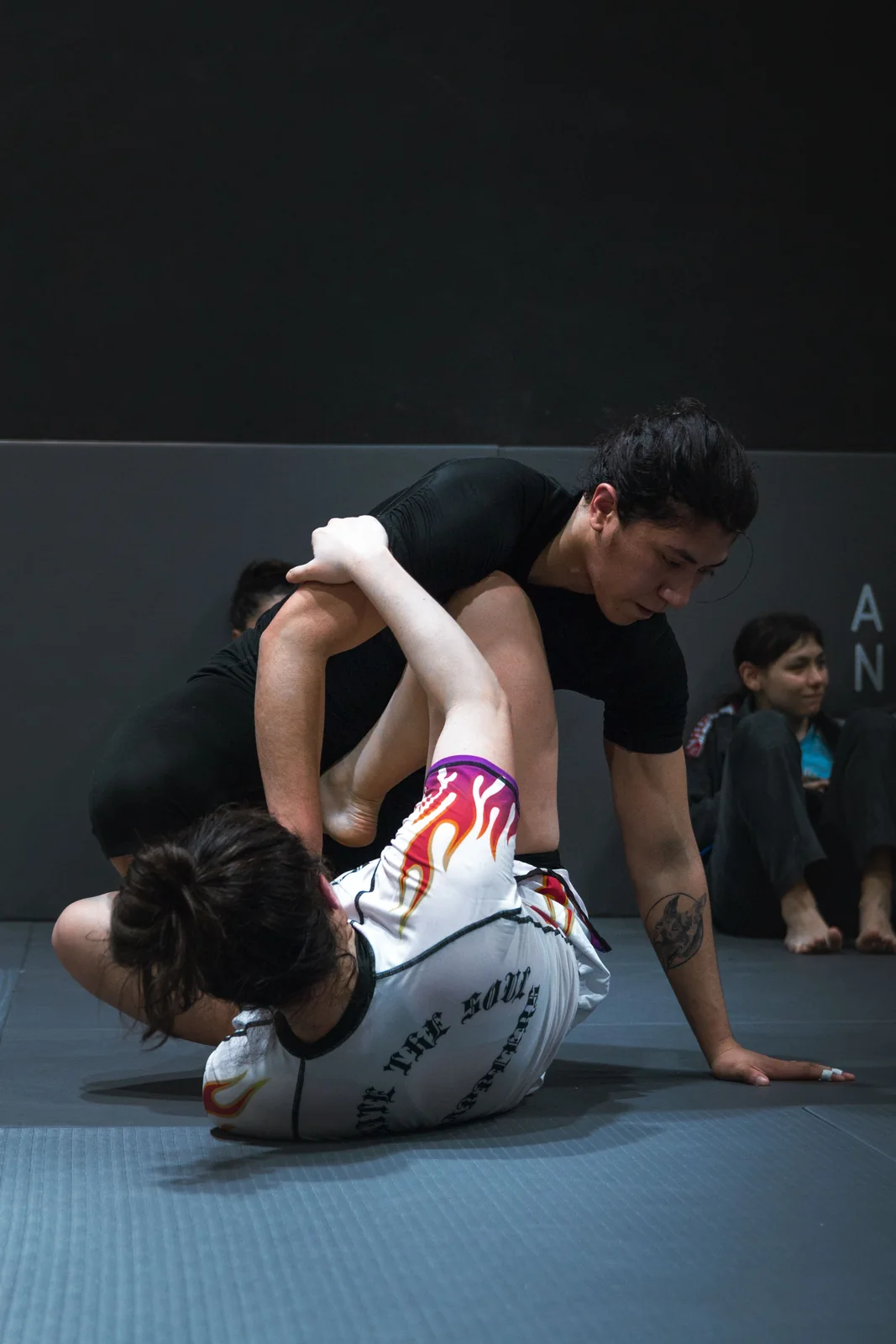
A problem on the ground may have started while the fighters were still standing. Return to that earlier moment.
Grappling
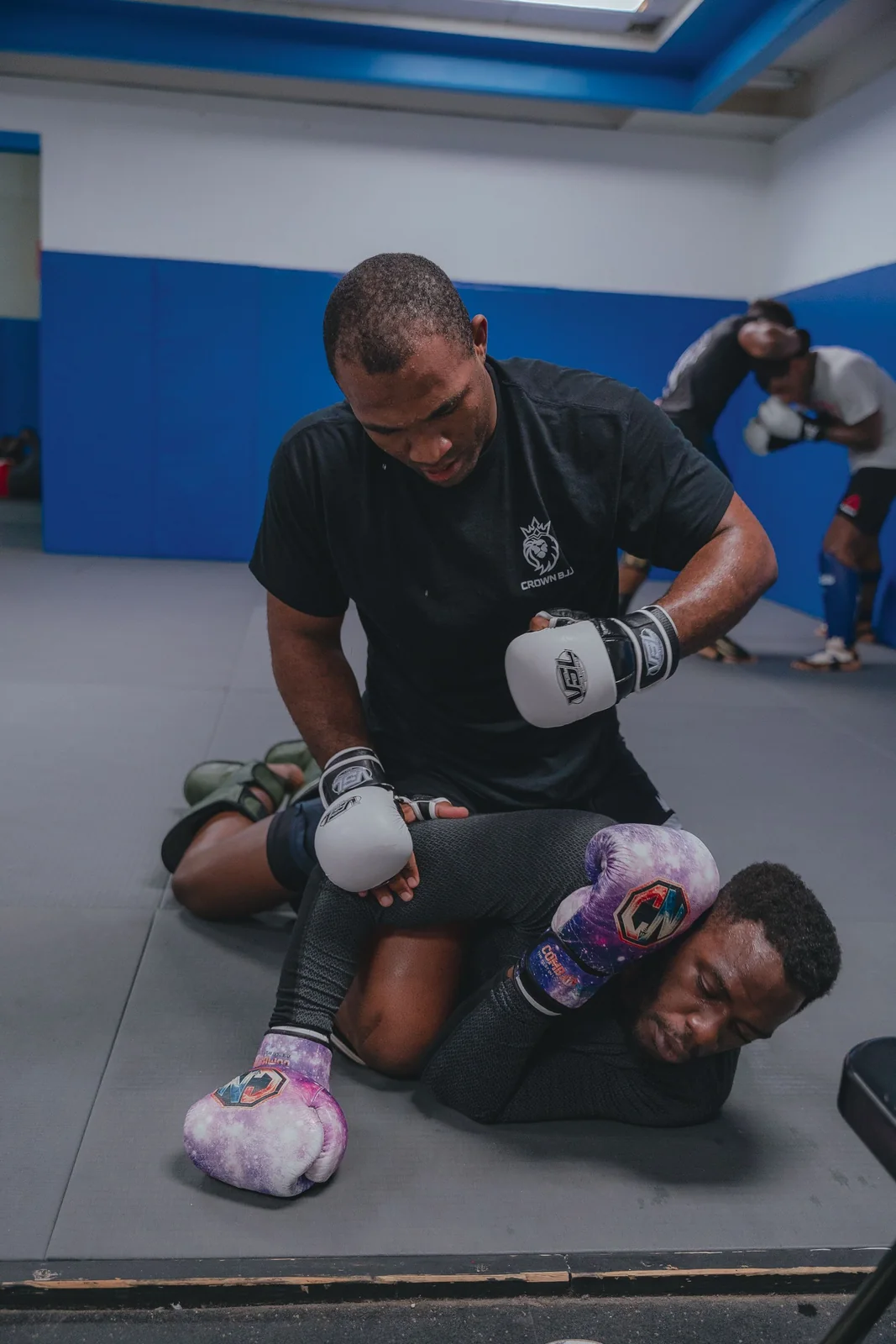
Holding someone close may still leave them room to punch. Ground & Pound makes that remaining space matter.
Striking
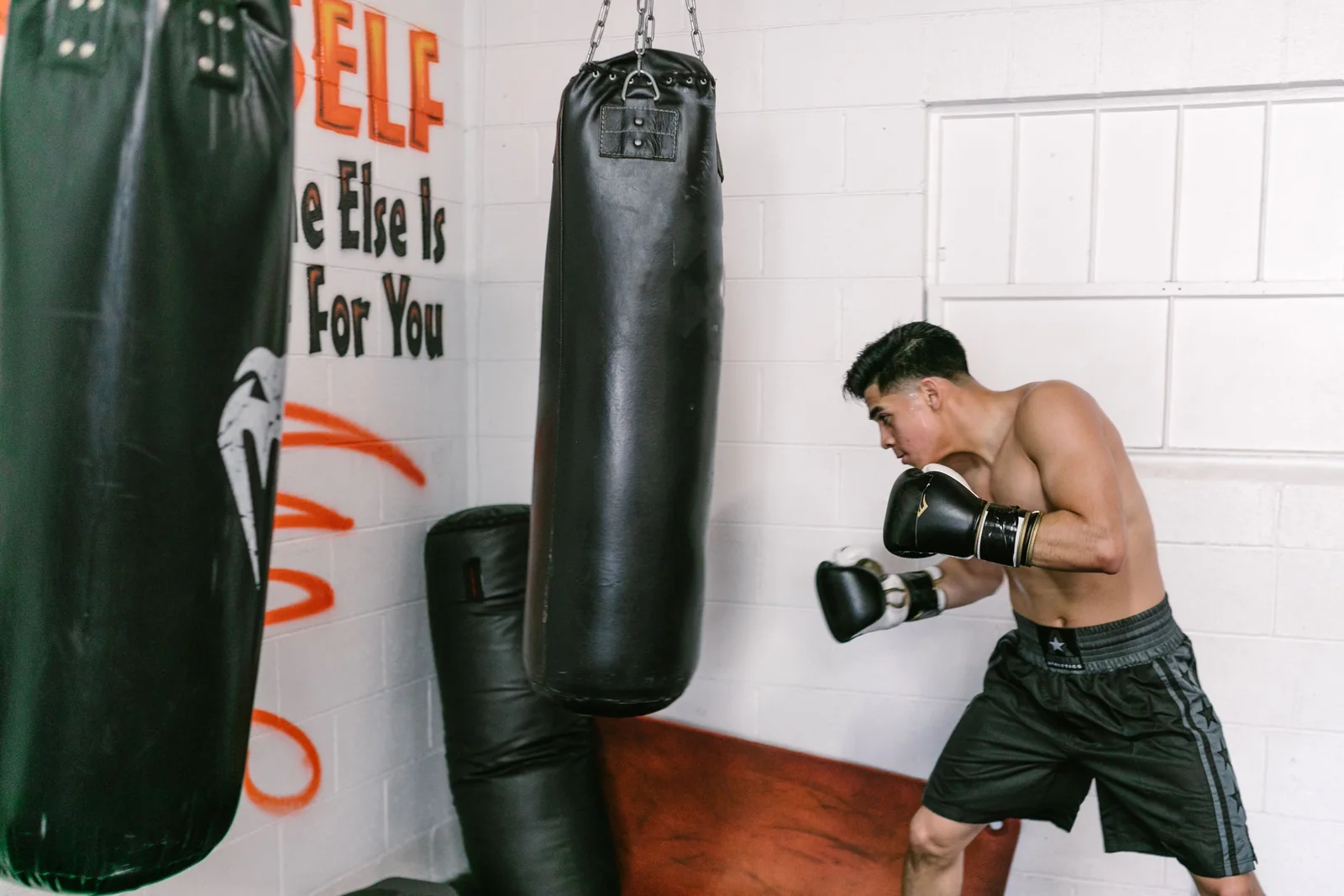
Stance, distance and the kind of decisions made in training can change even when the punching techniques look familiar.