
Striking
Boxing or kickboxing: what changes when kicks are allowed?
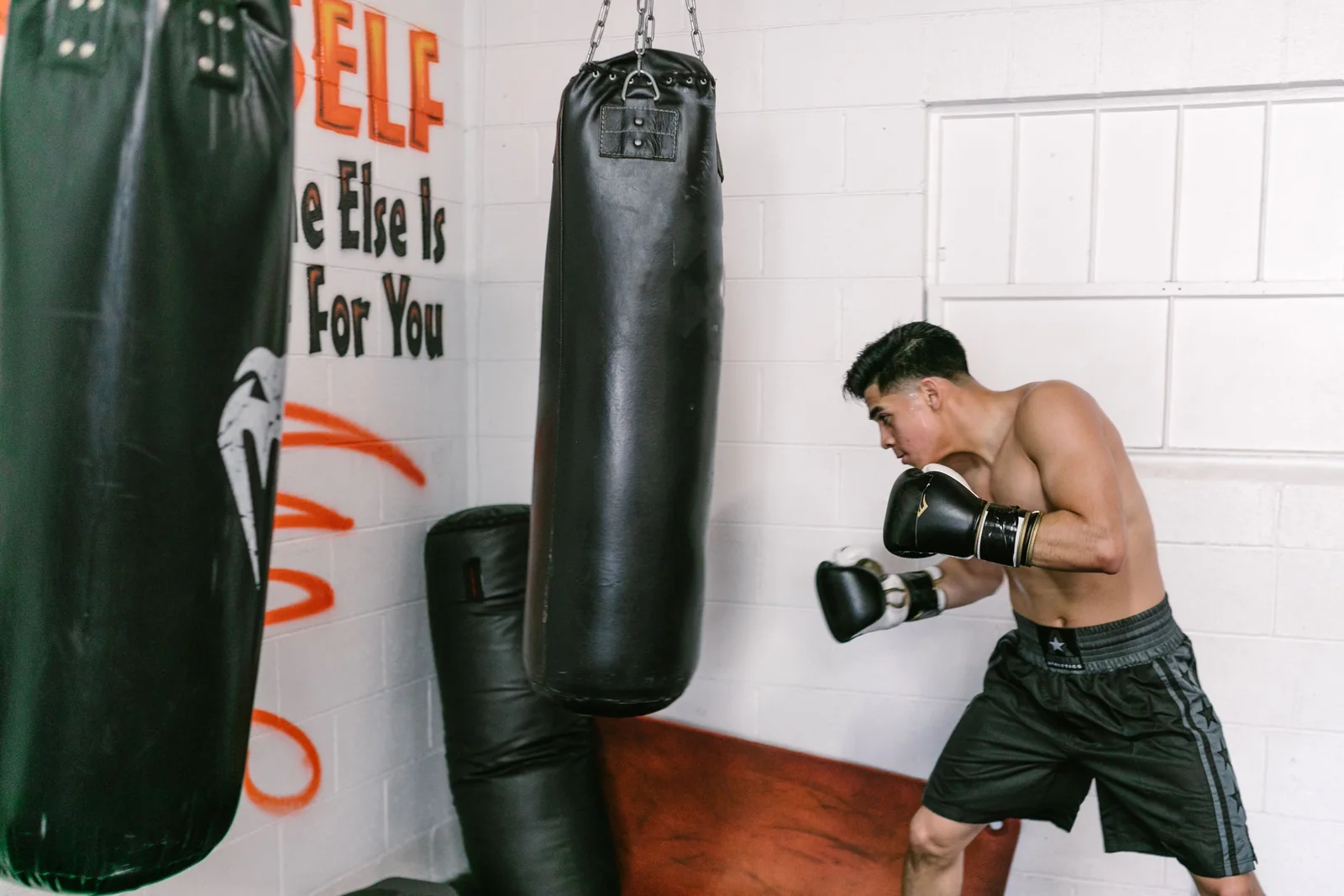
Stance, distance and the kind of decisions made in training can change even when the punching techniques look familiar.
3 min read
Read articleStriking
A kickboxing class may include exercises borrowed from Muay Thai. To know what is actually being practised, ask which techniques are allowed and what the drill is meant to teach.
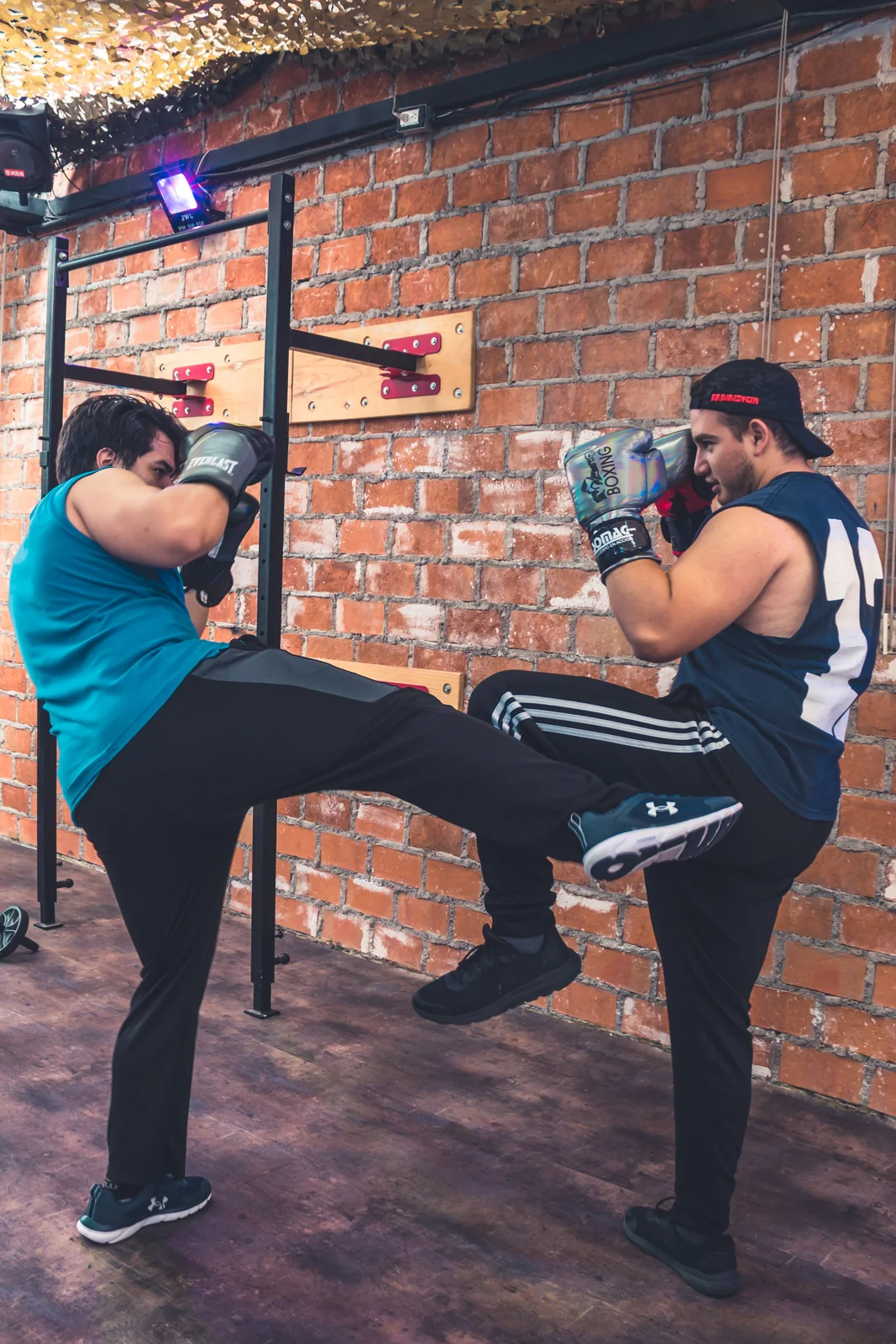
Kickboxing covers several competition formats. Punches and kicks are common to them, but permitted techniques and conditions differ. WAKO, for example, recognises multiple disciplines. Saying that all kickboxing follows the same rules misses those differences.
A coach can also isolate a particular skill without reproducing a full match. Before copying an exchange seen online, find out which format the class uses and what is included in that exercise.
K-1 is known as a competition organisation, and coaches also use the name for a style of kickboxing rules. Knees feature in that format, while clinch use is restricted by the applicable rules. The precise restrictions need to be checked with the organisation concerned.
Skill First groups this training under Kickboxing / K-1. Those names do not require separate courses for every label. What matters in a session is the situation being practised and the rules that both partners understand.
Muay Thai includes punches, kicks, knees and elbows, with clinch work a recognisable part of the discipline. Rulesets and participant categories affect how these may be used. A brief description of the sport cannot stand in for the relevant rulebook.
When a partner can stay close and work from the clinch, there may be little room for a long punching combination. Posture, balance and control become immediate problems. That gives the discipline its own technical demands; it does not establish that it is better than every alternative.
A longer list of permitted techniques does not necessarily make a class more suitable. Consider the ranges that interest you, the quality of explanation and what a newcomer is actually asked to practise. An unclear task remains unclear under an appealing name.
An experienced boxer learning to kick can keep useful punching skills while testing which positions need to change. Start with those differences. There is more to learn by examining a position than by defending a favourite style before trying the other one.
Skill First
Want to explore a question from this article on the mat? Find a suitable training option or discuss where you would like to start.
Discuss your questionExplore the question from another angle.
Striking
Stance, distance and the kind of decisions made in training can change even when the punching techniques look familiar.
Striking
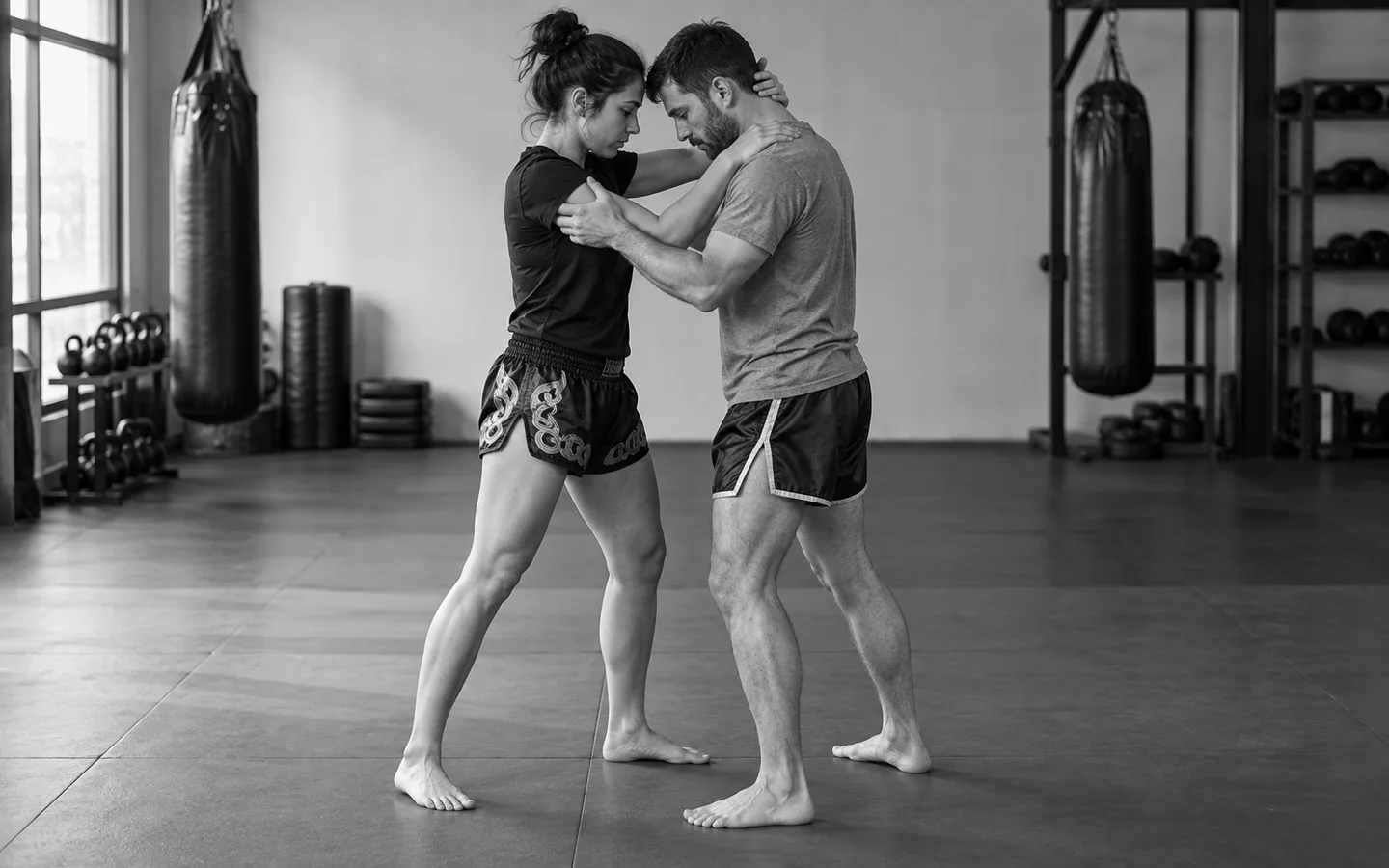
A firm hold can still leave movement available. Clinch work asks who can keep posture, balance and room to act.
Striking
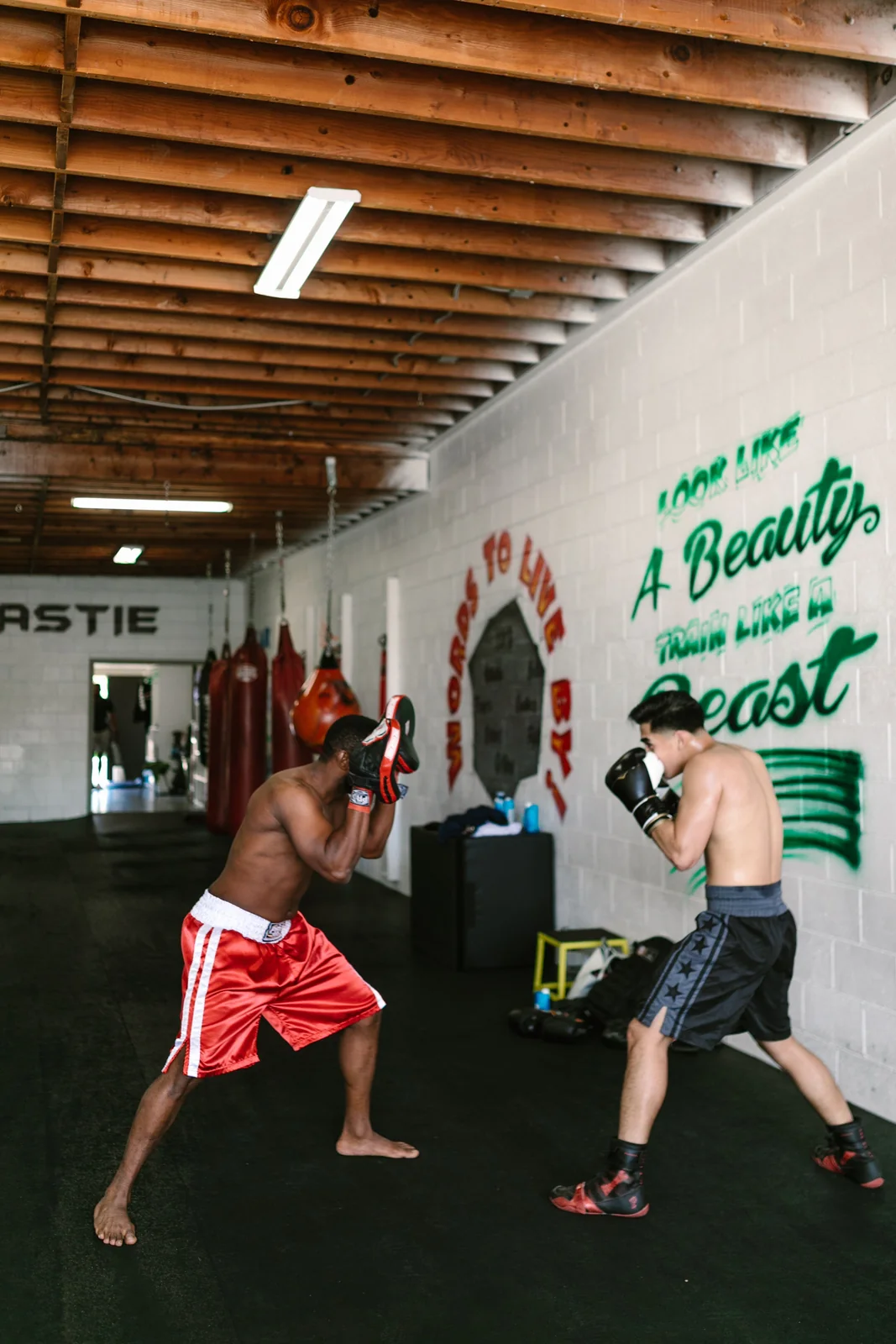
If the distance is already gone, moving the hand faster may not solve the problem.