

Striking
Boxing or kickboxing: what changes when kicks are allowed?
Stance, distance and the kind of decisions made in training can change even when the punching techniques look familiar.
3 min read
Read articleTraining & learning
A dramatic training video can make a first lesson look like an audition. A useful introduction is much simpler: find out what the class asks of a beginner and explain what you hope to learn.

Beginners often feel they should get fitter, become stronger or stop feeling uncertain before joining a class. A coach can work more usefully with a clear explanation of the person arriving: their interests, experience and questions. There is no need to pretend those questions have disappeared.
Not every session suits every person. Ask how beginners enter the training and which tasks are expected, rather than judging the entire offer through a promotional clip. Questions about medical suitability belong with a qualified healthcare professional.
“Boxing” or “BJJ” tells someone which discipline is taught. It does not say whether the first lesson involves a bag, partner work, contact or sparring. Ask about those details so the first visit contains fewer avoidable surprises.
Check clothing and protective equipment before spending money. Requirements change with the discipline and the exercise, and the coach’s instructions may differ from a generic equipment list online.
A complicated demonstration may be impressive while leaving a beginner unsure what to do. Useful instruction explains the task and gives something to look for: the distance that allows a punch, the balance needed to stay upright, or the movement a grip is meant to stop.
Afterwards, try naming one problem that became clearer. A grip that kept breaking can be a useful subject for a first lesson. The number of techniques demonstrated is a much poorer measure of what the newcomer understood.
Enjoying a particular drill is enough reason to try it again. Wanting to compare another discipline is also reasonable. A newcomer does not need to announce a lasting commitment after a single session.
Individual training offers room to focus on a particular question. A workshop offers a shared introduction for a group. Neither requires plans to compete; they simply provide different ways to start.
Skill First
Want to explore a question from this article on the mat? Find a suitable training option or discuss where you would like to start.
Discuss your questionExplore the question from another angle.
Striking
Stance, distance and the kind of decisions made in training can change even when the punching techniques look familiar.
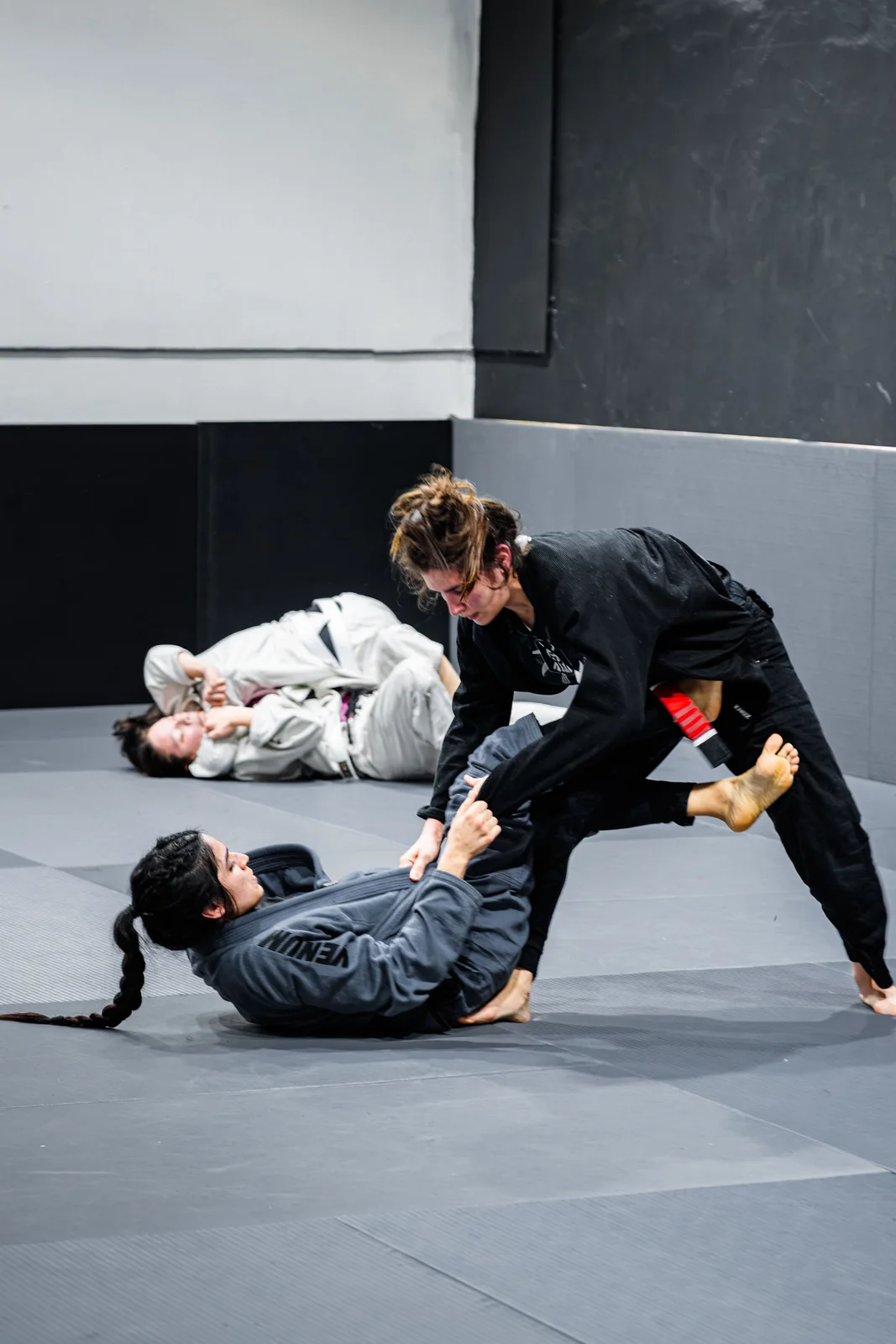
Grappling
Why a grip can feel strong while the other person still escapes, and what positions and submissions have to do with it.
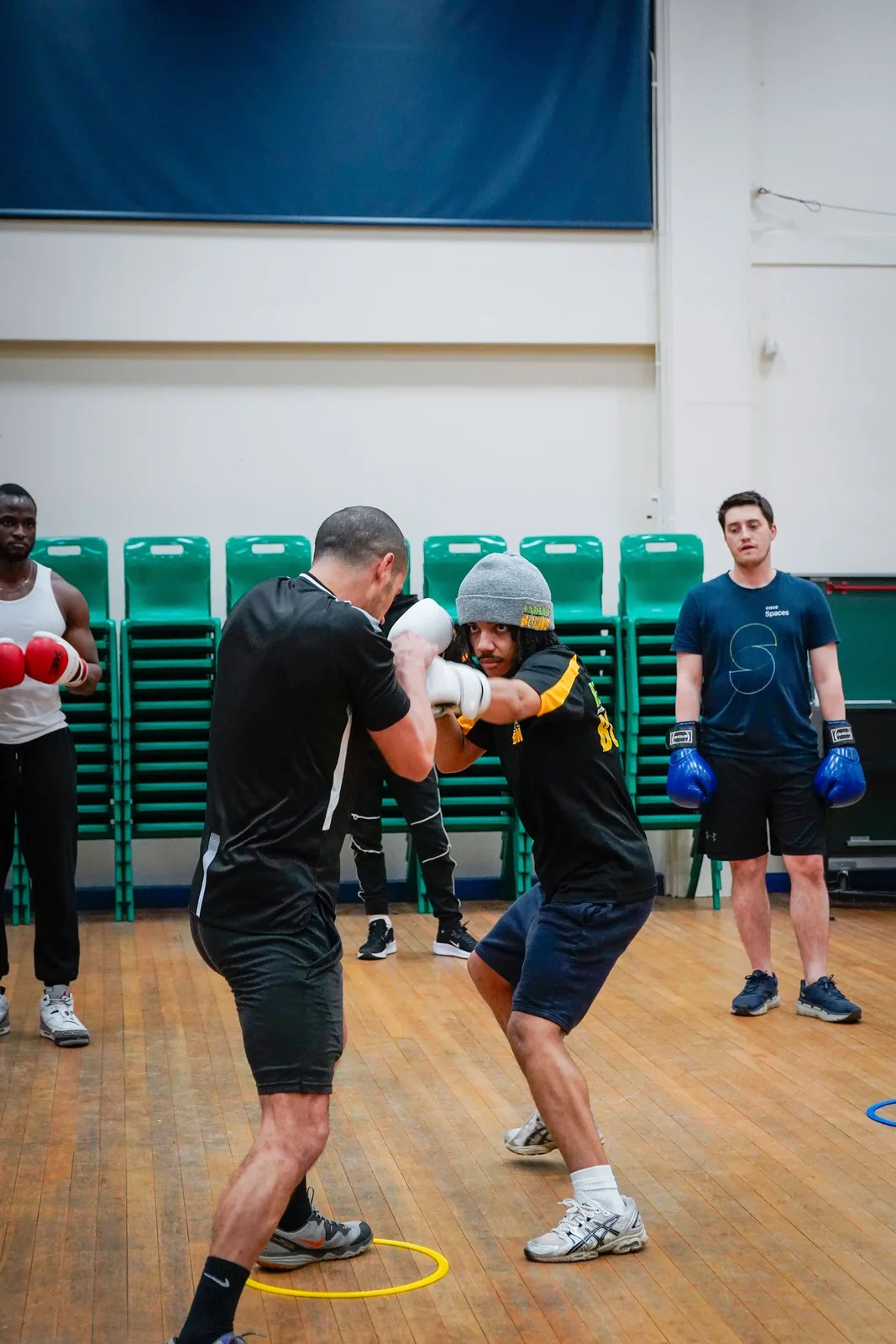
Training & learning
Clothes, contact and the reason for bringing the group together all deserve a clear answer before participants arrive.