

Training & learning
Starting martial arts: what to ask before the first lesson
The useful preparation is often a conversation about partners, equipment and contact, rather than proving fitness or toughness.
3 min read
Read articleTraining & learning
Booking a martial arts workshop does not settle what the group wants to do. An introduction to boxing and a partner activity about cooperation can use similar equipment while asking different things of the participants.
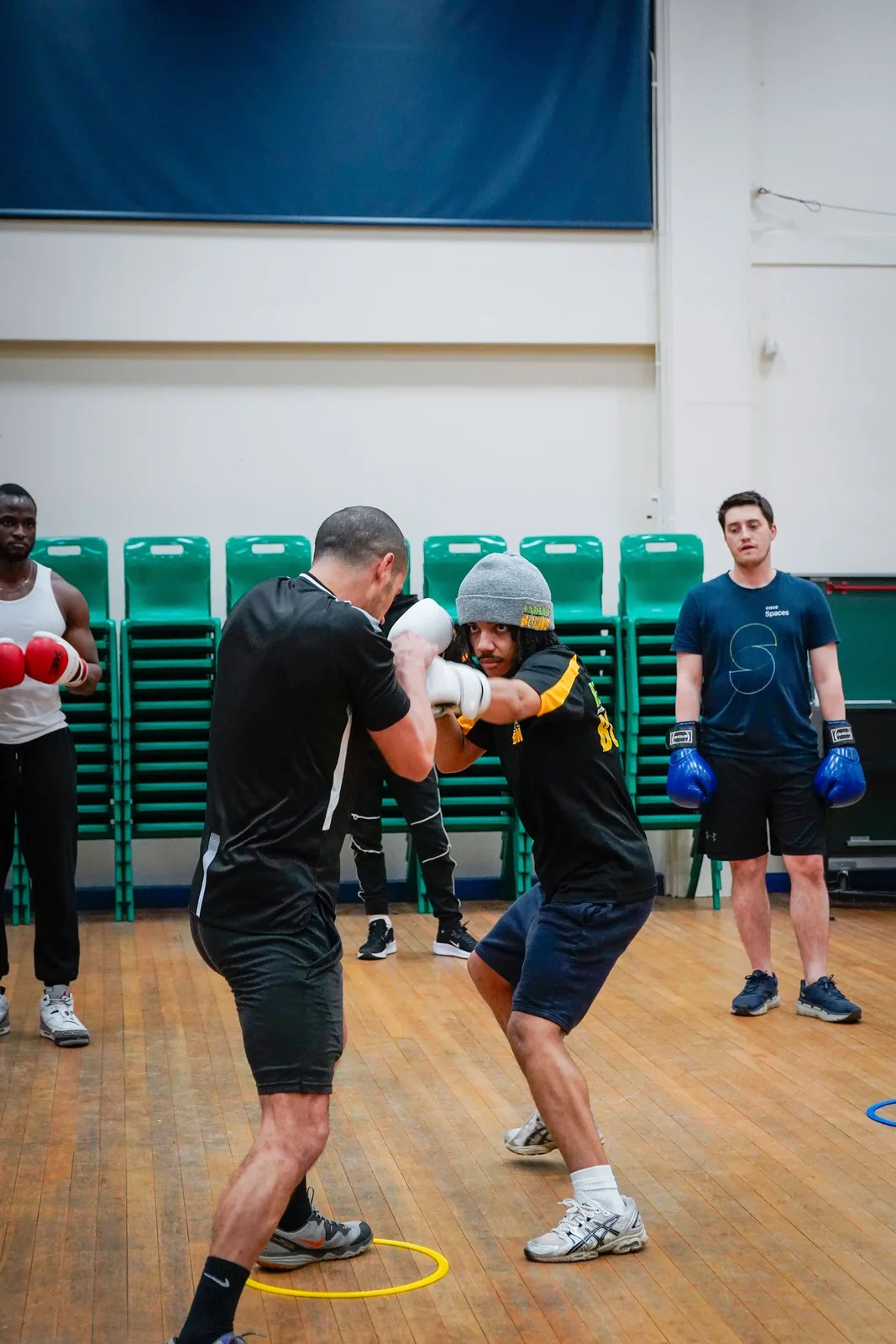
A company team, school class and group of friends can all book a workshop for different reasons. Some want to try a discipline; others want an unfamiliar technical problem to work on together.
Say which of those matters before choosing the exercises. A clear purpose helps the trainer build a session that fits, instead of filling the time with unrelated drills.
Find out which clothes and protective equipment are needed, and how physical the tasks will be. Pass that information on in advance. Unexpectedly being asked to make body contact leaves someone less room to decide than knowing beforehand.
Explain how an exercise can be paused, changed or declined. “Nobody needs to worry” is less useful than a clear account of what someone can do if a task does not suit them.
Age, prior experience and relationships within the group affect partner exercises. A school class needs different preparation from colleagues. Share practical information that helps the trainer, without collecting unnecessary personal details.
Ask what the trainer needs to set the session up responsibly. Intensity, group size and available space should be discussed before promises are made to participants. An article cannot set those conditions for every workshop.
People can enjoy the same activity for different reasons. A short closing conversation can let them name what became clearer or what remains a question. It need not become a long evaluation.
Instead of asking only whether it was fun, ask which cooperation helped, which task began to make sense or which explanation would have been useful earlier. Those answers give the activity substance without turning it into an extensive development programme.
Skill First
Want to explore a question from this article on the mat? Find a suitable training option or discuss where you would like to start.
Discuss your questionExplore the question from another angle.
Training & learning
The useful preparation is often a conversation about partners, equipment and contact, rather than proving fitness or toughness.
Business & teams
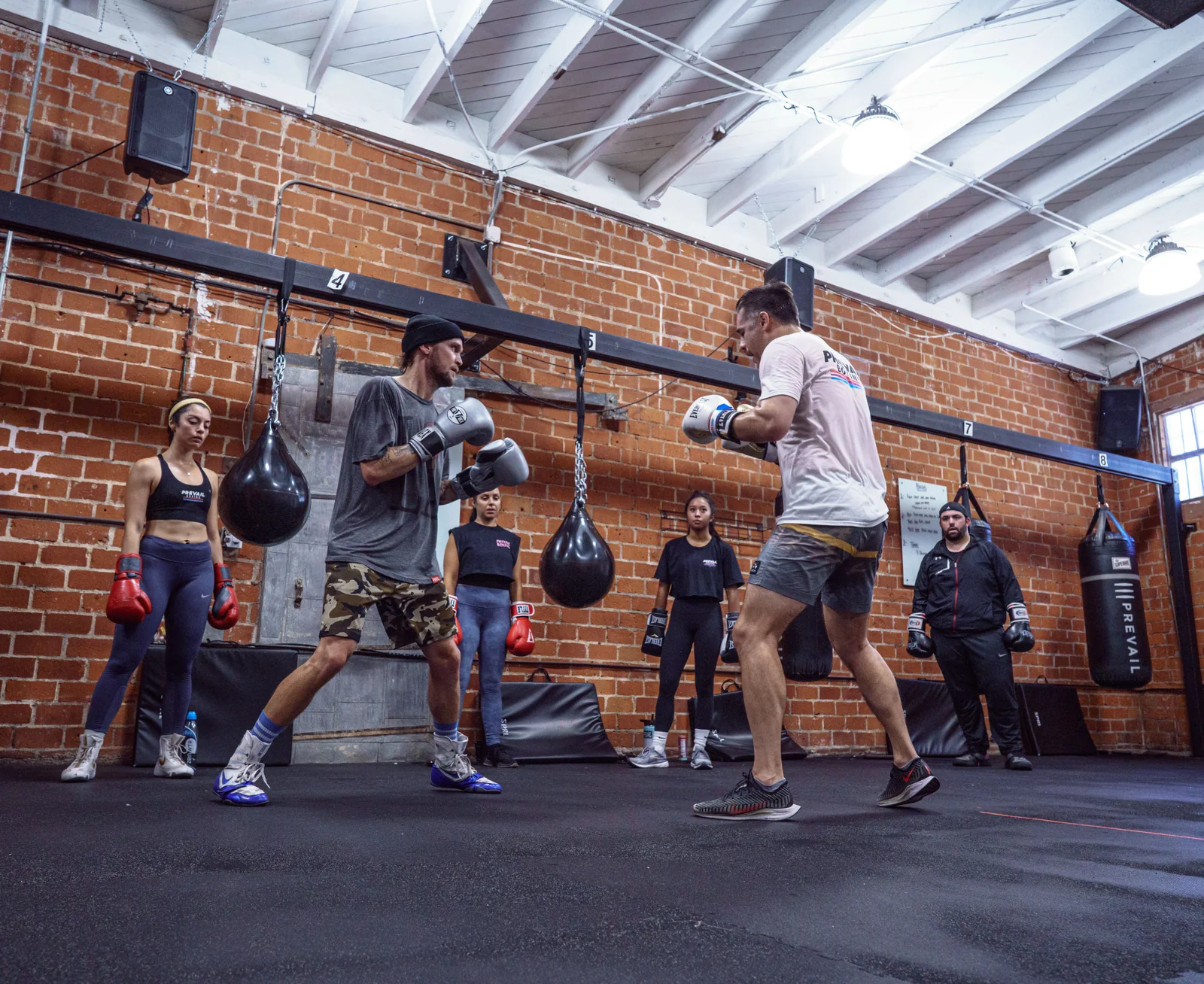
A shared physical task can ask colleagues to agree a pace, swap roles and find a useful way to help each other.
Children & development
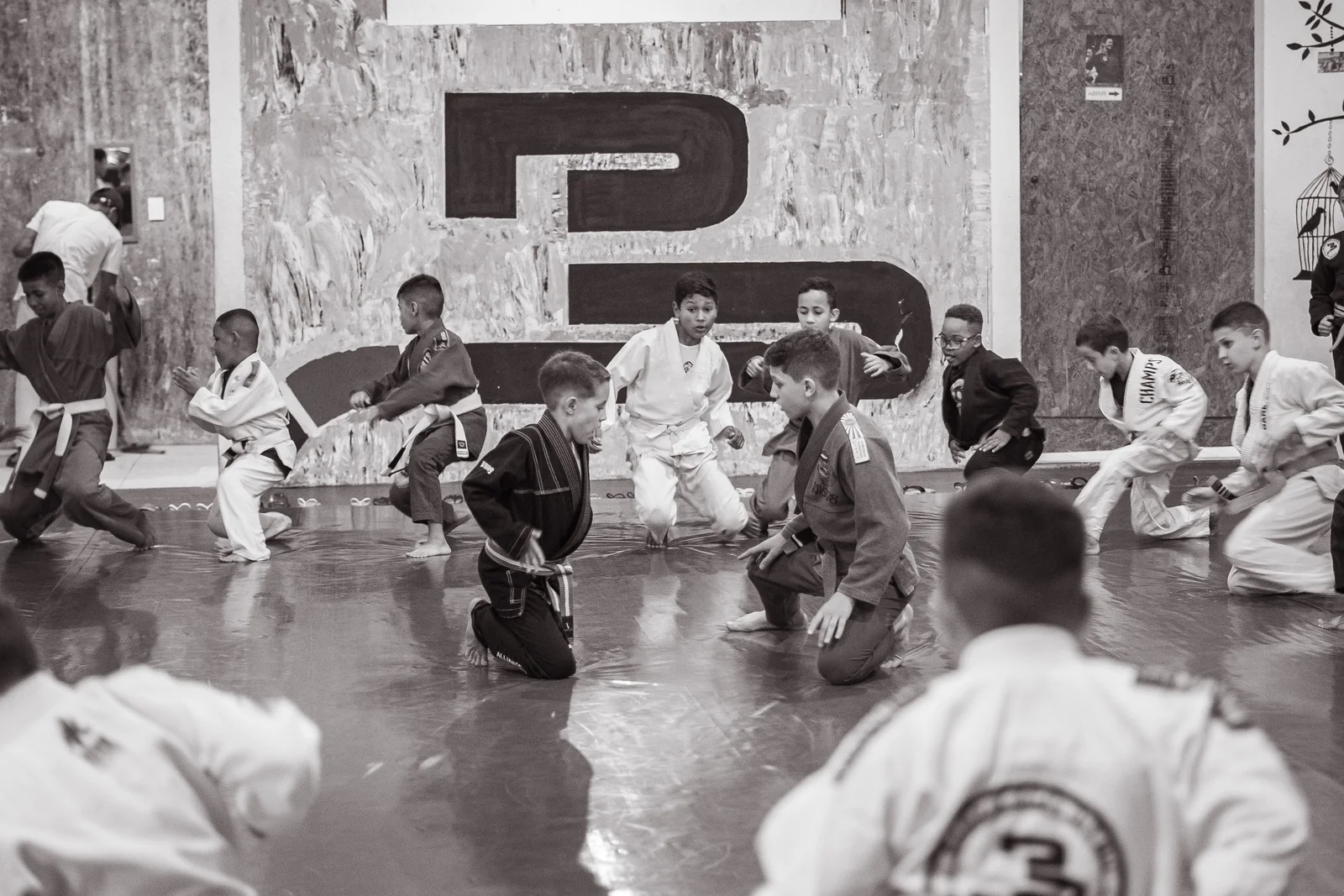
Movement, a clear task, a partner who is ready and a stop signal everyone understands can all be part of a lesson.