
Grappling
Gi BJJ or No-Gi grappling: how the grips change the game
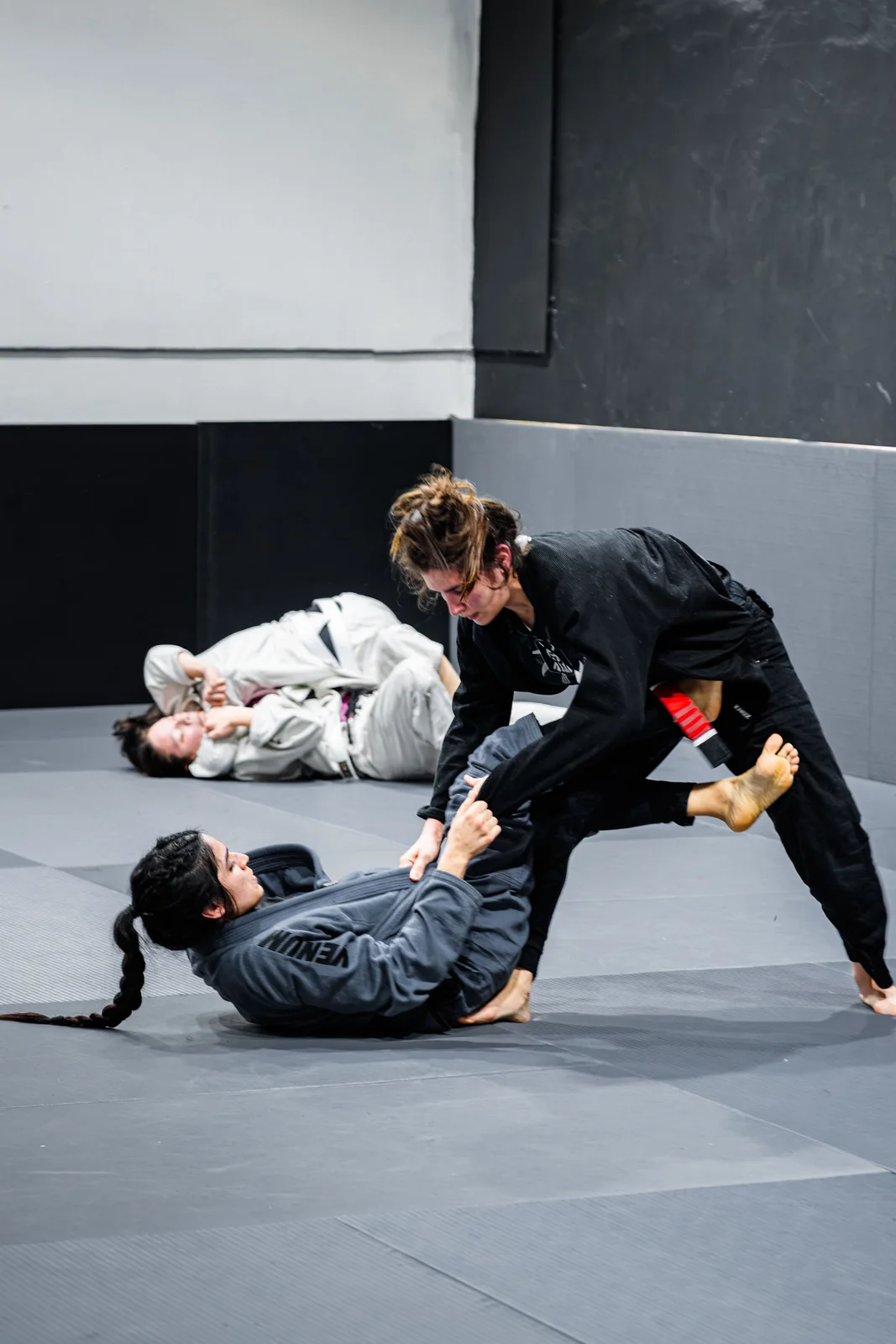
Take away a sleeve grip and the position may need a different answer. Clothing affects control and movement, not just appearance.
3 min read
Read articleGrappling
A beginner may see an armbar and remember the finish. The harder part is often everything before it: keeping a partner in place long enough to make the technique work.
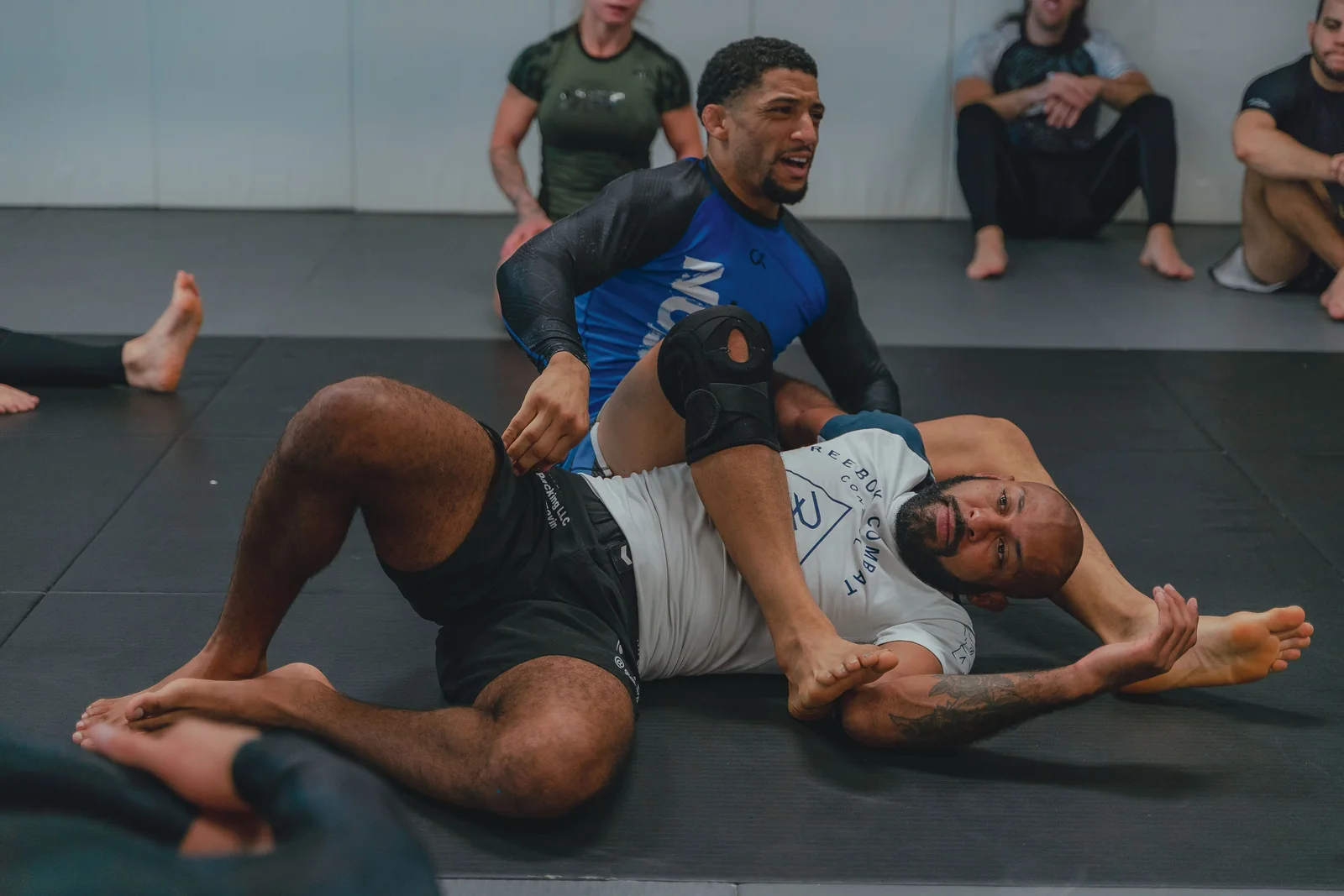
Brazilian Jiu-Jitsu is a grappling discipline. Two partners work to control each other and find a submission, a position or technique that makes the other person concede. There are no punches or kicks in that exchange. Instead, they use grips, body position and balance while each tries to solve the problems the other creates within the agreed rules.
The finish tends to catch the eye first. Watch the same sequence again and look at what happened earlier. Could the attacker keep the position? Where did the other person still have room to move? Those details explain why a technique works against a resisting partner, or falls apart after looking perfectly clear in a demonstration.
Someone lying underneath can still make life difficult for the person on top. In guard, the bottom player uses their legs to manage distance and movement. In side control, the top player is beside the torso; in mount, they are over it. These names give beginners a way to describe what is happening. The name alone does not tell either player what will work next.
Leverage helps, but it does not make strength disappear. Timing, body shape, experience and a partner’s response all affect the exchange. If an escape keeps failing, the useful question may be very specific: what is stopping this hip or shoulder from moving? Learning to find that obstruction can matter more than remembering another escape.
A gi is a sturdy training uniform, and in gi BJJ it becomes part of the grappling. A sleeve or lapel offers a grip that is unavailable in No-Gi. Many of the positions remain familiar when the uniform comes off, but keeping or breaking control can require a different solution.
Partners need to agree on techniques, starting positions and intensity. A tap means stop immediately. Saying clearly that you want to stop is equally valid; waiting for pain is unnecessary. Recognising and respecting that signal is a skill the training depends on.
A lesson often includes explanation, practice with a partner and some resistance. That resistance might come in a short exercise from one position rather than unrestricted sparring. Classes differ, so ask how the introduction works and who a beginner will be paired with.
Recognising one position a little sooner is a worthwhile first result. So is being able to say when an exercise needs to stop. Winning a round, memorising every name and sparring freely can wait. After the session, a useful question is simply which part to try again next time.
Skill First
Want to explore a question from this article on the mat? Find a suitable training option or discuss where you would like to start.
Discuss your questionExplore the question from another angle.
Grappling
Take away a sleeve grip and the position may need a different answer. Clothing affects control and movement, not just appearance.
Grappling
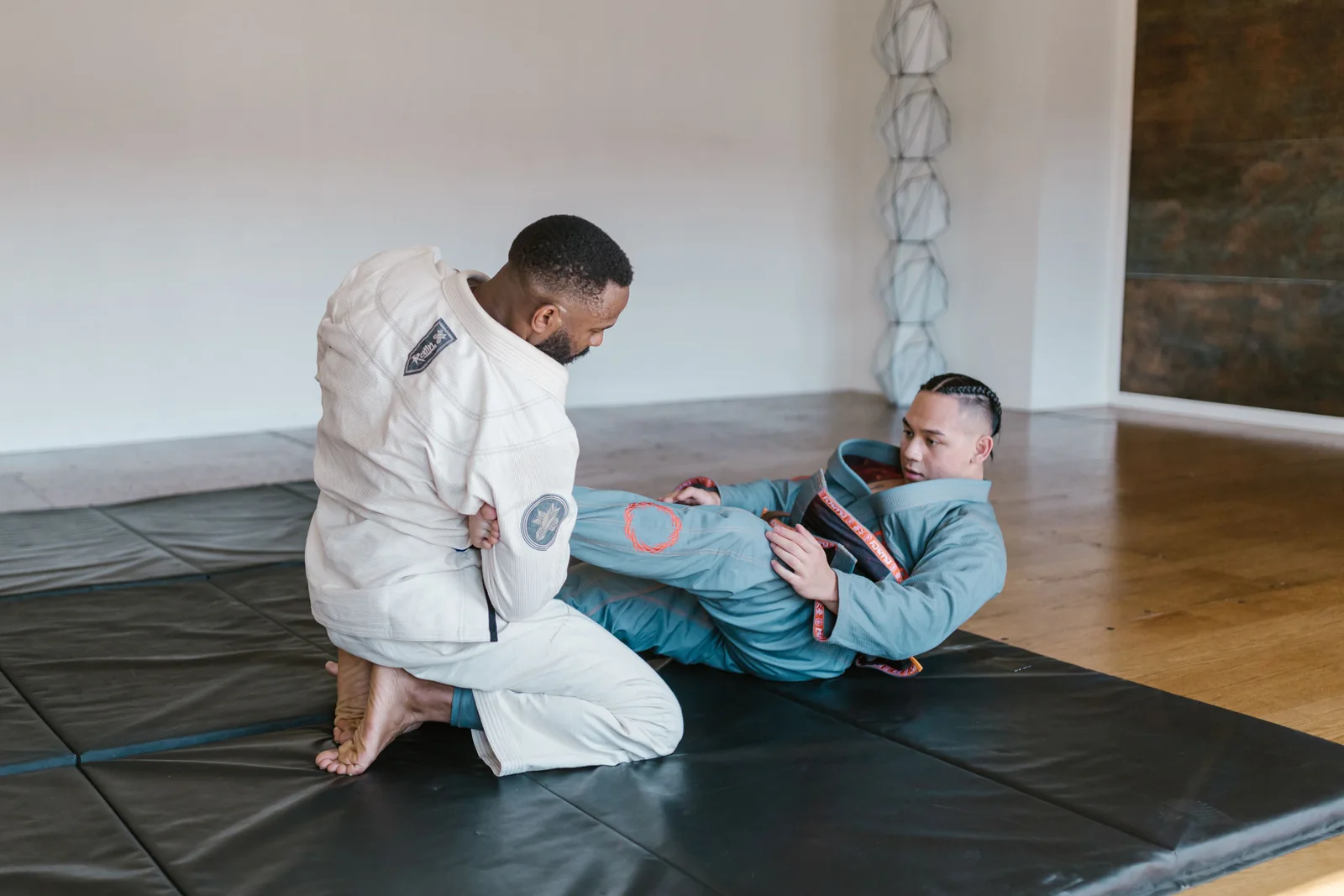
The name tells you where the players are. Their grips, balance and remaining room explain what can happen next.
Grappling
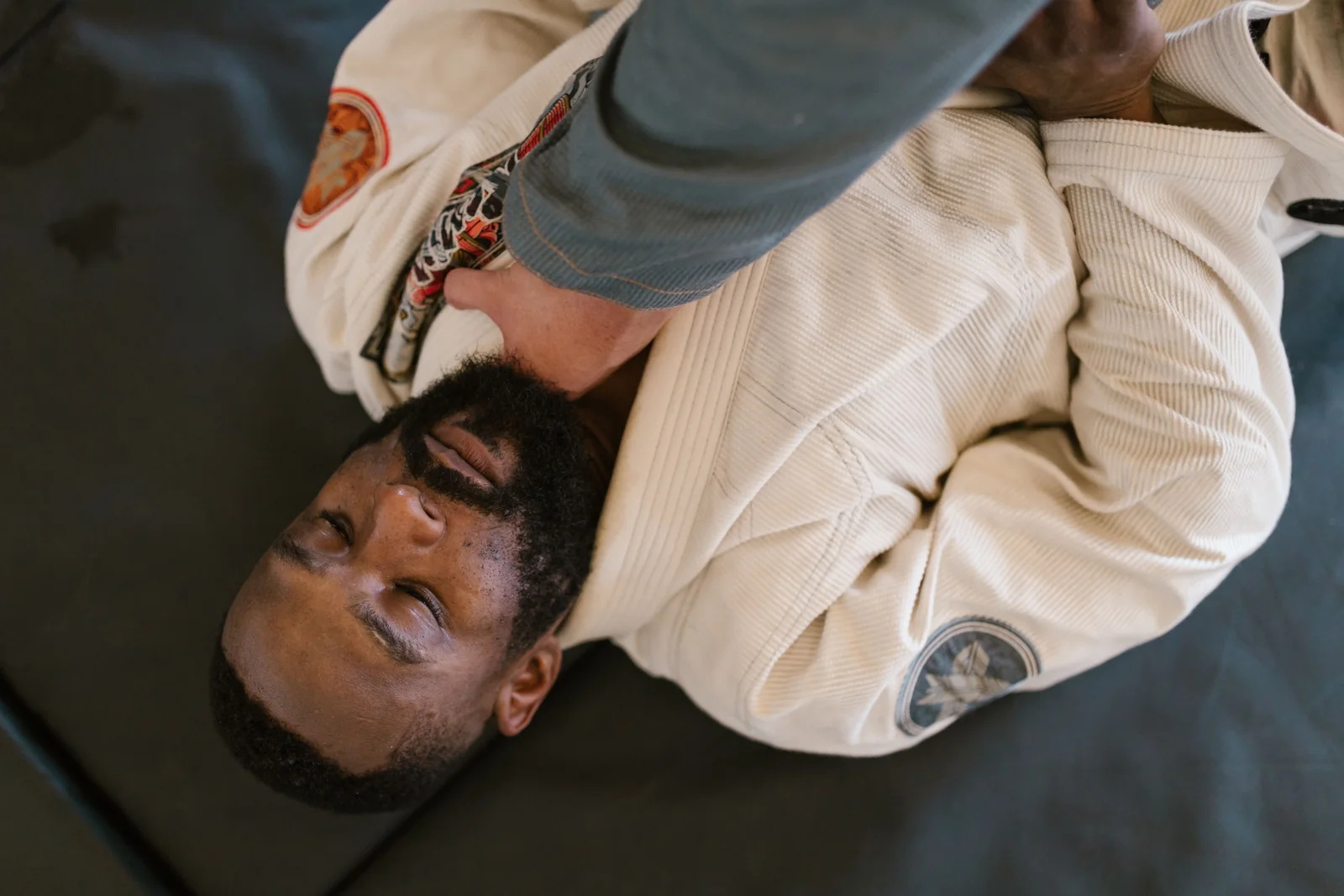
A tap can stop a submission, an uncomfortable position or a drill that has become unclear. Both partners have a responsibility.