

Training & learning
A technique keeps failing: how to work through it with a coach
Describe the grip, movement or moment that causes trouble, then give the coach something specific to watch.
3 min read
Read articleTraining & learning
“The technique did not work” is easy to write and hard to use later. A note becomes useful when it brings back the moment: where the partner moved, what was tried and what changed.

Begin with the starting position, the partner’s action and the moment an option disappeared. A short description can make the same problem recognisable in a later session. A general conclusion about a technique offers much less to return to.
Plain language is enough. “I lost balance when the partner turned” can be useful without the exact technical term. Knowing a name while forgetting the exchange does not give a better note.
A lesson can cover more than anyone can use at once. Turning every detail into homework scatters attention. Choose a question that can be noticed during another exercise, such as when a partner closes distance or when a grip stops limiting movement.
The question need not solve the entire problem. It needs to fit into actual practice. After the next session, check whether the situation appeared and whether something was noticed sooner or differently.
One note can help a coach understand the question. It does not establish that the writer’s explanation is correct. Treat it as something to examine together.
“I am bad at this” tells little about a round. “I noticed the range change too late” gives a specific observation that can be tested. The note should help choose a task rather than grade the person.
Occasionally review which notes still contain a live question. Some subjects may now be clearer; some may not have appeared again. Learning does not require an encyclopaedia of every class.
A short reminder before training and a short observation afterwards can do the job. The point is to bring attention back to a recognisable exchange on the mat, rather than produce a polished diary.
Skill First
Want to explore a question from this article on the mat? Find a suitable training option or discuss where you would like to start.
Discuss your questionExplore the question from another angle.
Training & learning
Describe the grip, movement or moment that causes trouble, then give the coach something specific to watch.
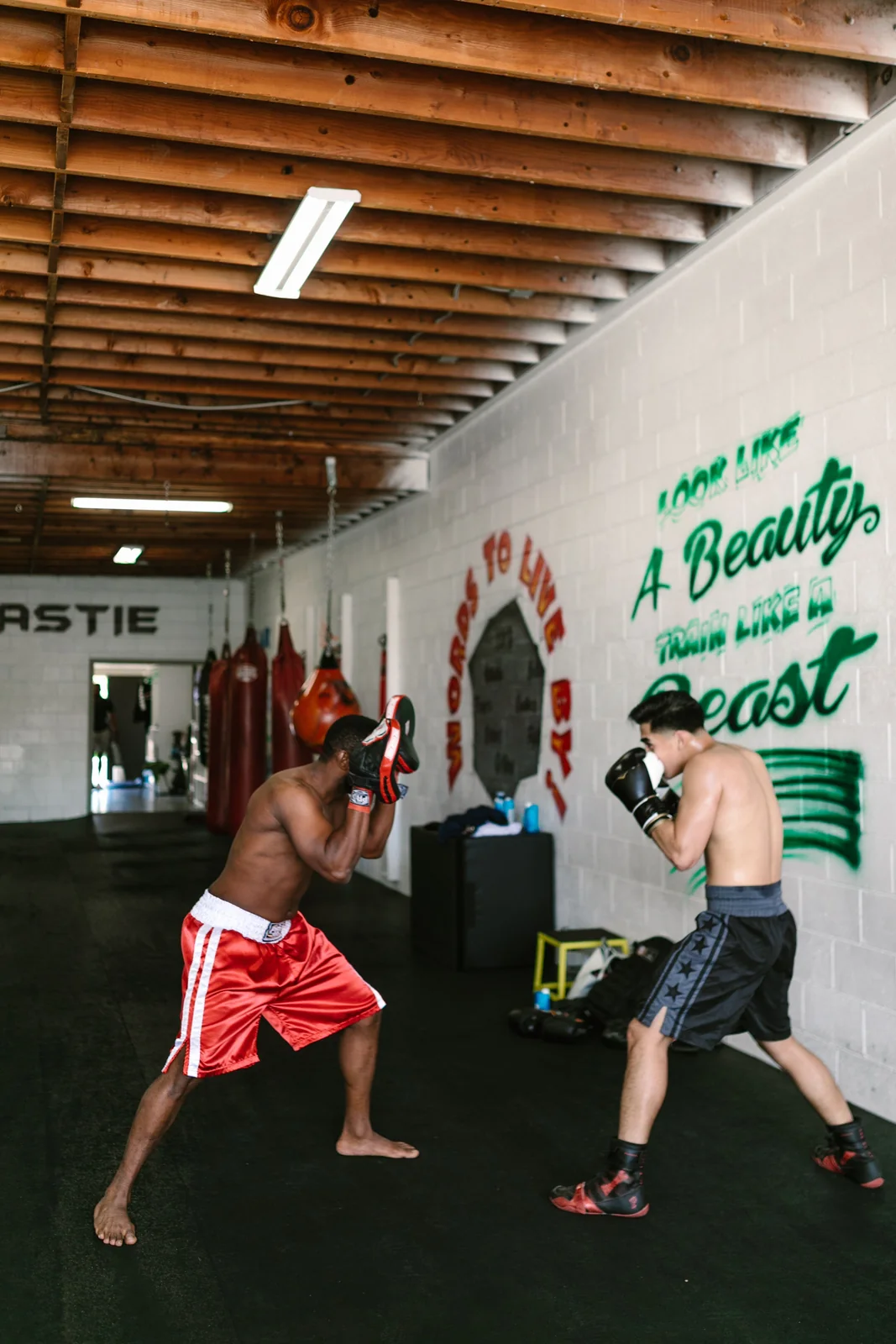
Striking
If the distance is already gone, moving the hand faster may not solve the problem.
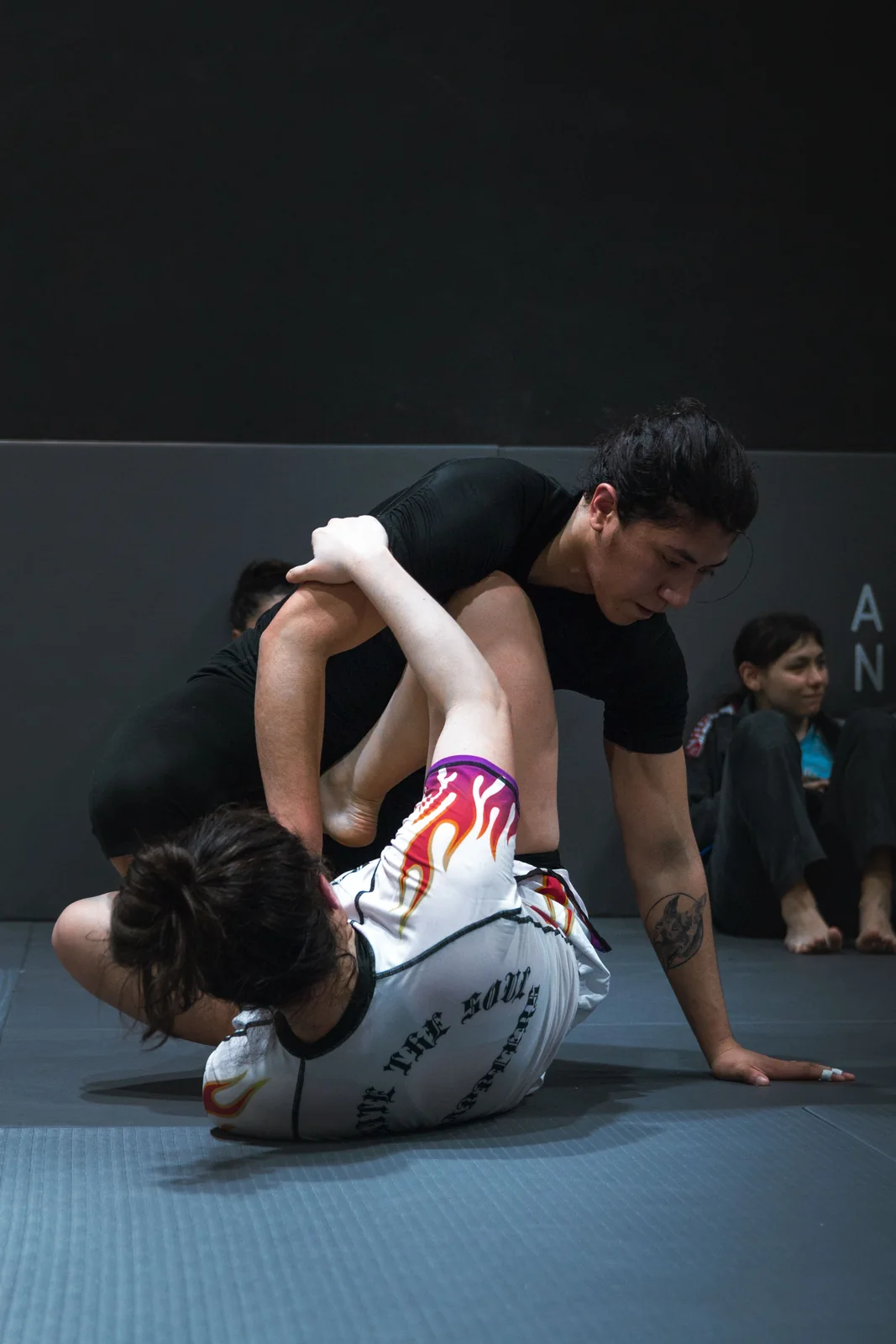
MMA
A problem on the ground may have started while the fighters were still standing. Return to that earlier moment.