
Children & development
Children’s martial arts: what are they actually practising?
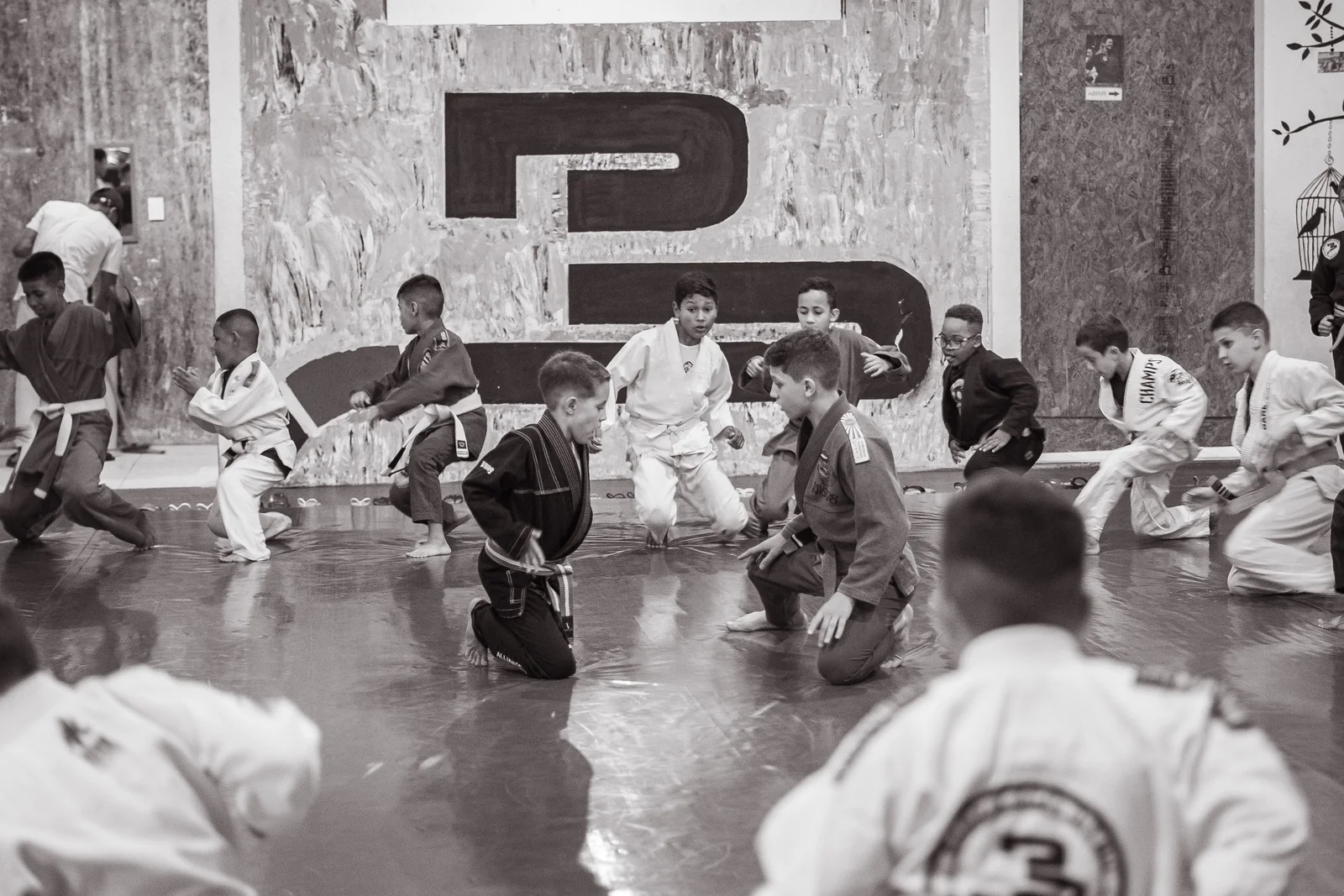
Movement, a clear task, a partner who is ready and a stop signal everyone understands can all be part of a lesson.
3 min read
Read articleChildren & development
Two children try to keep a gap while one moves left or right. If they repeatedly come too close, the first question is about the task: was the pace manageable and the required distance clear?
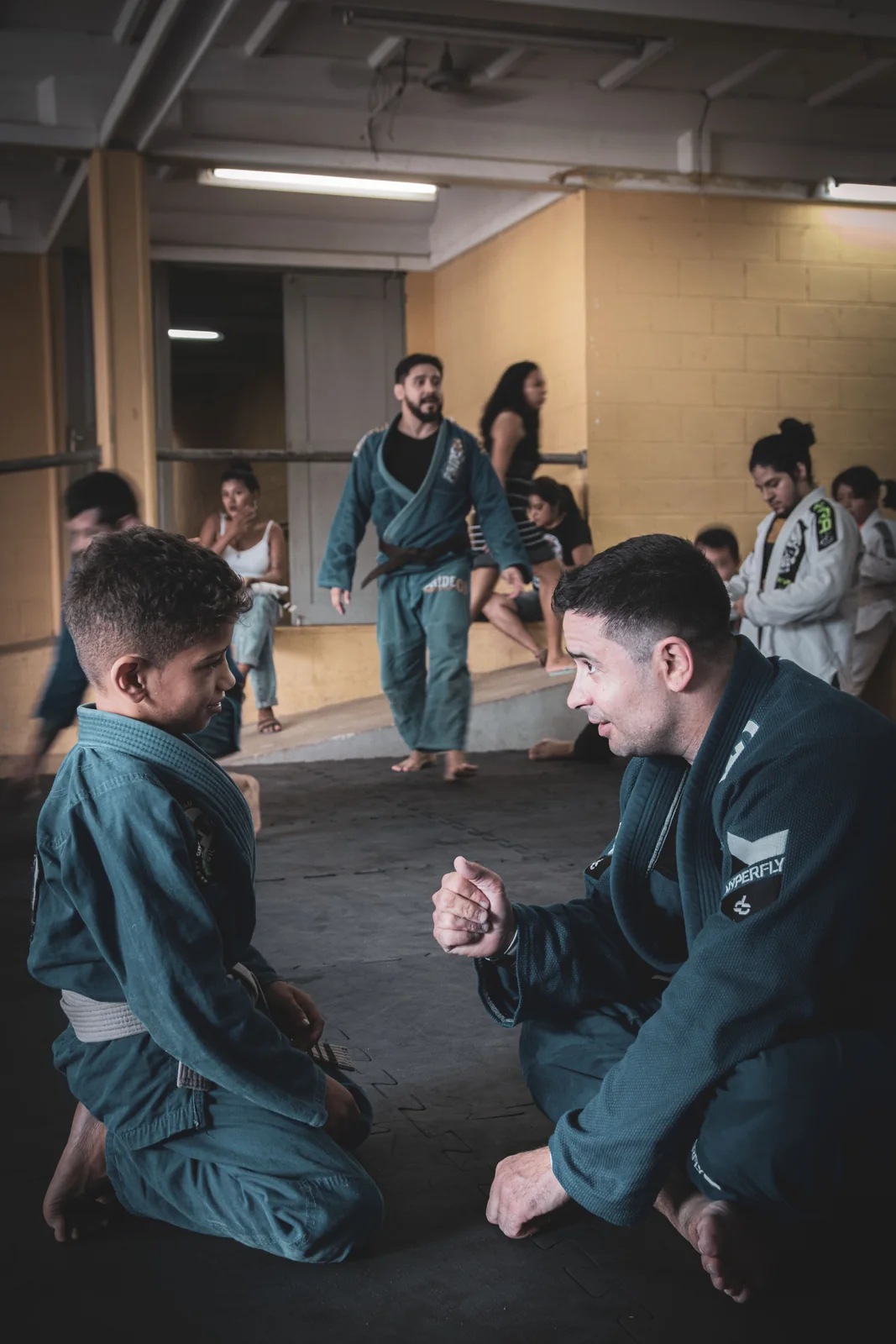
In that distance exercise, one child moves calmly while the other keeps enough space. The aim is to follow without getting too close, rather than catch or beat the partner. Stating that difference changes what both children try.
If attempts keep failing, look at the conditions. Perhaps the partner moves too fast, the distance is unclear or the round lasts too long. Change one thing and repeat. The mistake then gives information about the exercise, without becoming a verdict on the child.
Resistance need not mean pushing harder. A partner might choose a direction or keep an agreed position, requiring the child to notice and adapt. That can happen with little force and without an unrestricted contest.
The instructor chooses a change suited to the level and task. At first, the child might know which direction is coming. Later, the partner can choose between two. That already makes the task harder, without adding contact.
The stop agreement takes priority throughout. If one child stops, both stop. Completing an attempt is never a condition for having it count, and that should be explained before the first round.
A specific instruction gives a child something to try: “Put your foot beside the line first.” A string of corrections may overwhelm, while “concentrate better” leaves the required movement unclear.
Ask briefly what the child noticed. They may have watched the hands rather than the feet, or been unsure when to begin. The next attempt can address that information, turning repetition into a test of a small change.
A clearer start or a calmer partner may make the next attempt work better. That is progress in this task. It does not establish a change in character, resilience or school performance.
Sometimes the useful decision is to simplify or finish. A child might be tired, uncomfortable with contact or still unsure what to do. Continuing is not necessarily more educational, and the lesson needs room to respond.
Schools and group organisers should discuss the aims, supervision and limits beforehand. Skill First’s children’s offer and workshop descriptions set out how practical partner tasks can be arranged for a group.
Skill First
Want to explore a question from this article on the mat? Find a suitable training option or discuss where you would like to start.
Discuss your questionExplore the question from another angle.
Children & development
Movement, a clear task, a partner who is ready and a stop signal everyone understands can all be part of a lesson.
Training & learning
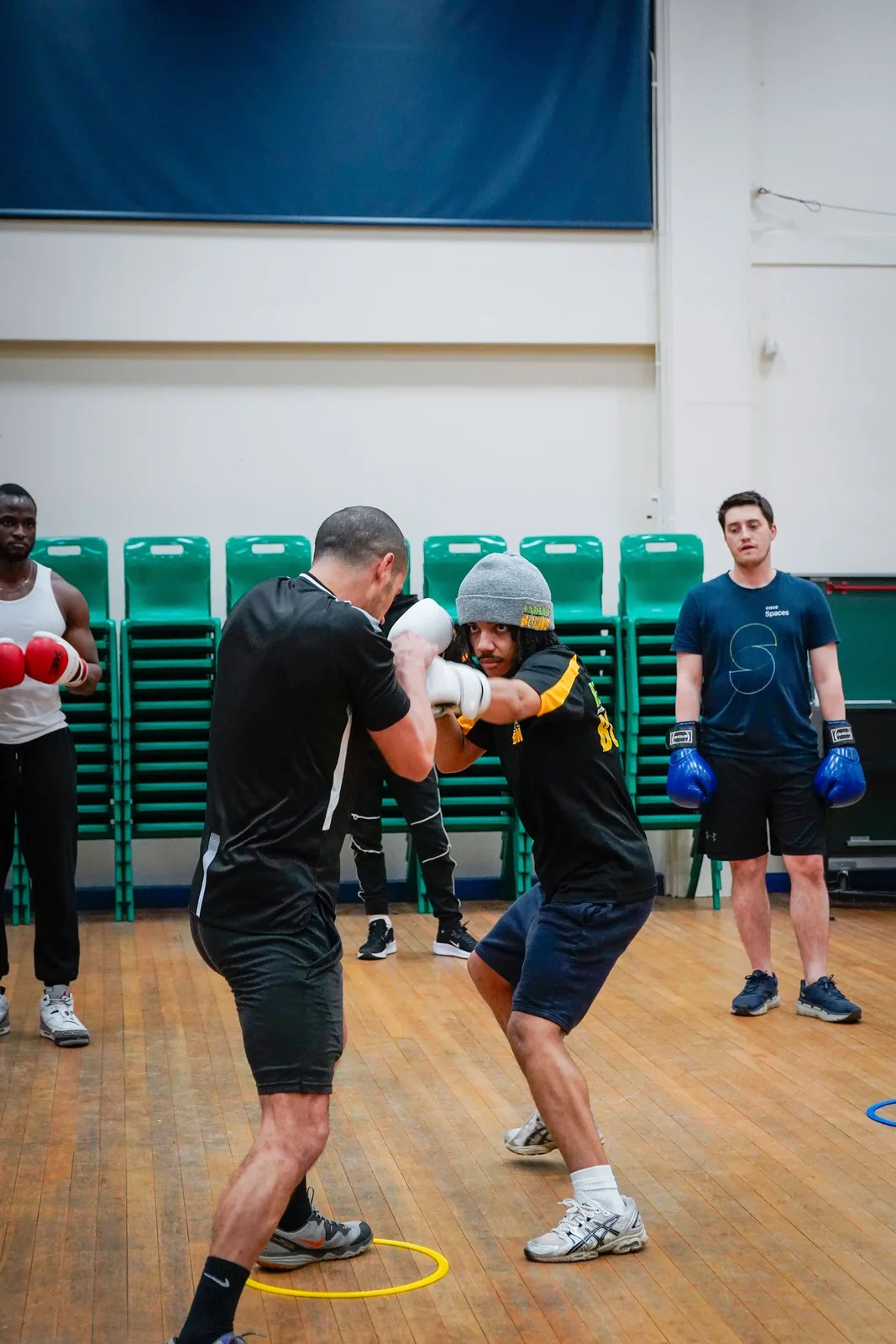
Clothes, contact and the reason for bringing the group together all deserve a clear answer before participants arrive.
Training & learning
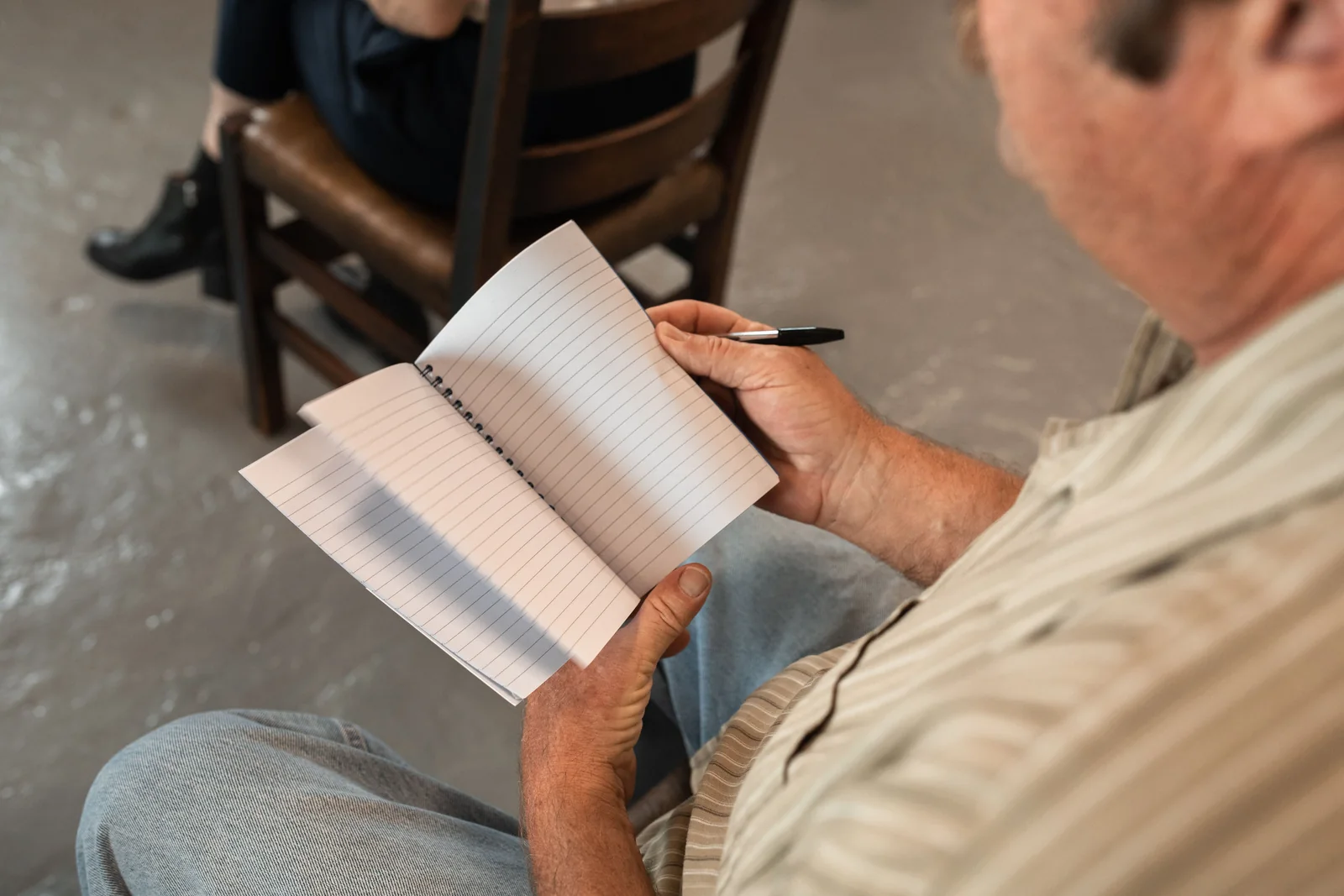
A useful note can be a few lines about a missed distance or lost grip. It does not need to preserve the whole lesson.