
Children & development
Children, resistance and mistakes: make the next attempt clearer
When a task goes wrong, change something the child can understand. “Try harder” may leave the original confusion untouched.
3 min read
Read articleChildren & development
A child changes direction, stops and checks where the partner is standing. That small exercise may tell more about the lesson than a broad promise of confidence or discipline.
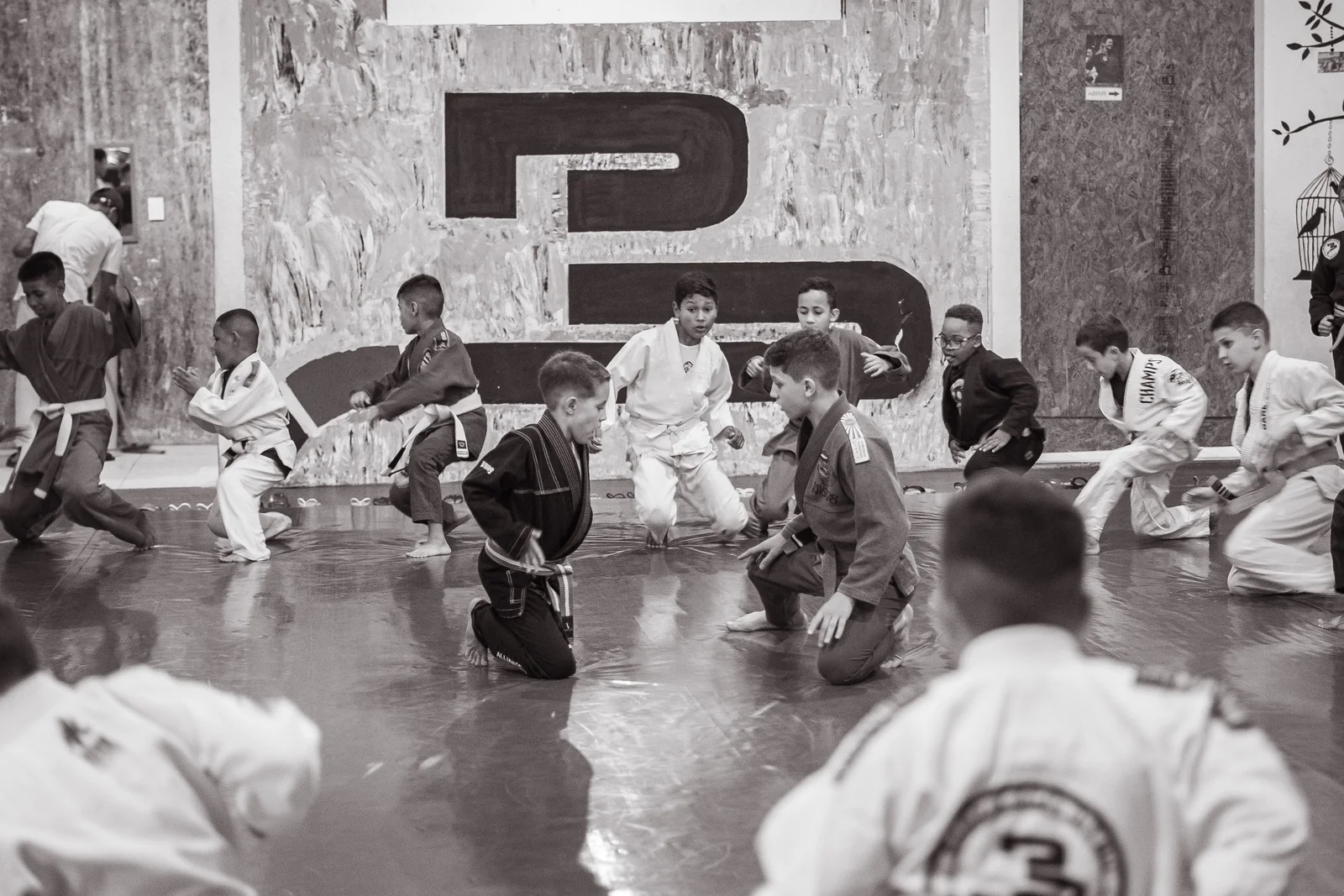
Taking a step, stopping and changing direction become less simple when another child is involved. The player has to watch where the partner stands as well as place their own hands and feet. Distance and timing enter the task.
An instructor can see whether the child leaves room when stopping, recognises a direction or repeats a movement more calmly. Those are specific observations. Promising improvement in general coordination or development would make a much wider claim.
A task suited to the age group can still need individual adjustments. Children need not all perform the same movement identically at the first attempt. Distance, speed or complexity can change while the purpose stays clear.
One demonstration followed by an attempt is often clearer than a long string of technical terms. The instructor can check understanding with a practical question: where should the child stop, or what happens if the partner is not ready?
A child who has not understood needs room to ask again. Pausing or simplifying lets the instructor see what information is missing before the group continues. It need not be treated as a failed lesson.
Both children should be ready before starting, use the agreed pace and stop at the signal. Those agreements still apply when a child becomes excited or believes the task is already understood.
In a mirroring exercise, one child moves clearly while the other watches and responds. The aim can be for both to keep following the movement, rather than outperform each other. Swapping roles gives each a chance to try both jobs.
For a school or group organiser, useful questions concern what the instructor actually does. How is contact introduced? How are tasks adapted? What happens when a child stops, misses the explanation or finds the work difficult?
This is skills training, separate from treatment for behavioural difficulties. It cannot guarantee protection from bullying or automatic confidence. A successful task in the lesson does not predict how a child will respond to a conflict elsewhere.
Skill First’s school and children’s offer focuses on practical tasks with guidance. Its service description explains that setting; the method explains how the conditions and feedback direct the practice.
Skill First
Want to explore a question from this article on the mat? Find a suitable training option or discuss where you would like to start.
Discuss your questionExplore the question from another angle.
Children & development
When a task goes wrong, change something the child can understand. “Try harder” may leave the original confusion untouched.
Training & learning
Clothes, contact and the reason for bringing the group together all deserve a clear answer before participants arrive.
Training & learning
The useful preparation is often a conversation about partners, equipment and contact, rather than proving fitness or toughness.