
Business & teams
Teamwork on the mat: being a useful training partner
Clear roles and specific feedback let a pair practise the intended problem. Unagreed resistance changes the task.
3 min read
Read articleBusiness & teams
One colleague moves; another tries to keep an agreed distance. The exercise soon raises practical questions: how fast is useful, who needs more time, and what changes when the roles switch?
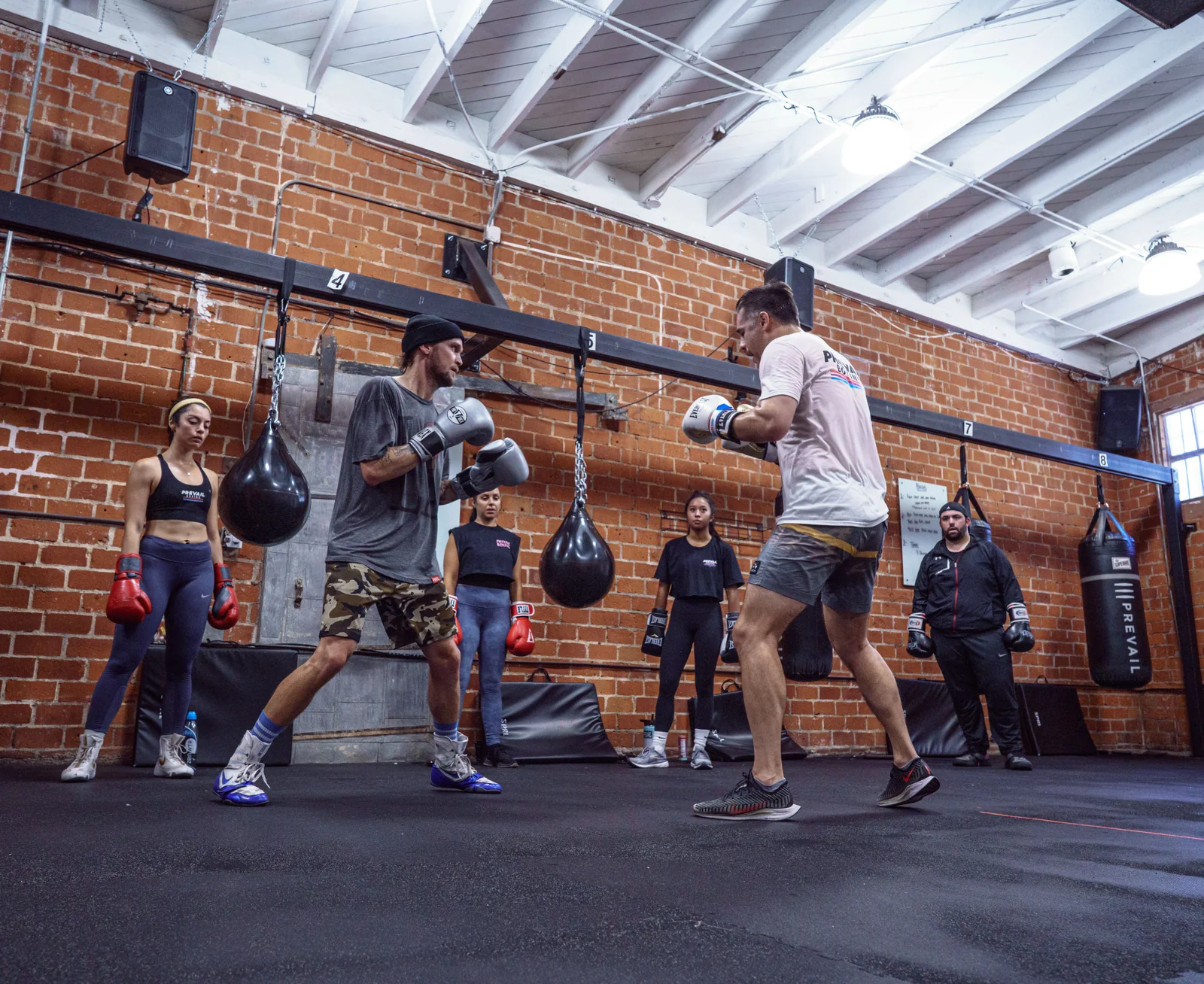
Colleagues usually know their own jobs. Keeping distance, mirroring movement or exploring a position on the mat can be new to almost everyone. That gives the group a shared problem without assuming one person already has the answer.
The task still needs careful instruction. If it is too difficult, people may guess or disengage. The coach needs a goal small enough to understand, with room for more than one attempt. The immediate question concerns what the exercise needs, rather than who is best at martial arts.
In a distance exercise, the person moving has to offer a pace the partner can use. The person following has to judge the gap. Speeding up can make the task less useful, even if it feels more challenging.
After swapping roles, both participants can describe what clear movement, predictable practice or excessive pressure felt like in this particular drill. That is already enough for a conversation. A broad claim about company culture would go beyond what happened.
Two people can investigate the distance at which a movement remains possible to follow, without points or a winner. When that becomes clear, change one condition, perhaps the starting position or amount of movement.
Experience, fitness and preferences will differ. A colleagues’ activity should leave room for adaptation, including for someone who wants little contact. Discuss the available tasks and alternatives beforehand.
Technical partner practice is one possible team activity, not automatically the best one. It is a reasonable fit when the group is interested in movement, cooperation and an unfamiliar skill, and the session can be adjusted to the participants.
Ask which agreement helped, when the pace needed changing and what swapping roles revealed. These are questions about the session. Their answers do not prove that cooperation at work has permanently improved.
Before choosing the activity, decide whether the group wants to get acquainted, try something new or examine a technical challenge. Skill First’s company and workshop descriptions explain how those aims can inform the session.
Skill First
Want to explore a question from this article on the mat? Find a suitable training option or discuss where you would like to start.
Discuss your questionExplore the question from another angle.
Business & teams
Clear roles and specific feedback let a pair practise the intended problem. Unagreed resistance changes the task.
Training & learning
Clothes, contact and the reason for bringing the group together all deserve a clear answer before participants arrive.

Training & learning
A useful note can be a few lines about a missed distance or lost grip. It does not need to preserve the whole lesson.