

Business & teams
Martial arts for a team: what makes partner practice interesting?
A shared physical task can ask colleagues to agree a pace, swap roles and find a useful way to help each other.
3 min read
Read articleBusiness & teams
A partner who always gives way can hide a problem. A partner who resists everything can make it impossible to study. Useful partner work begins with agreeing what each person is meant to do.
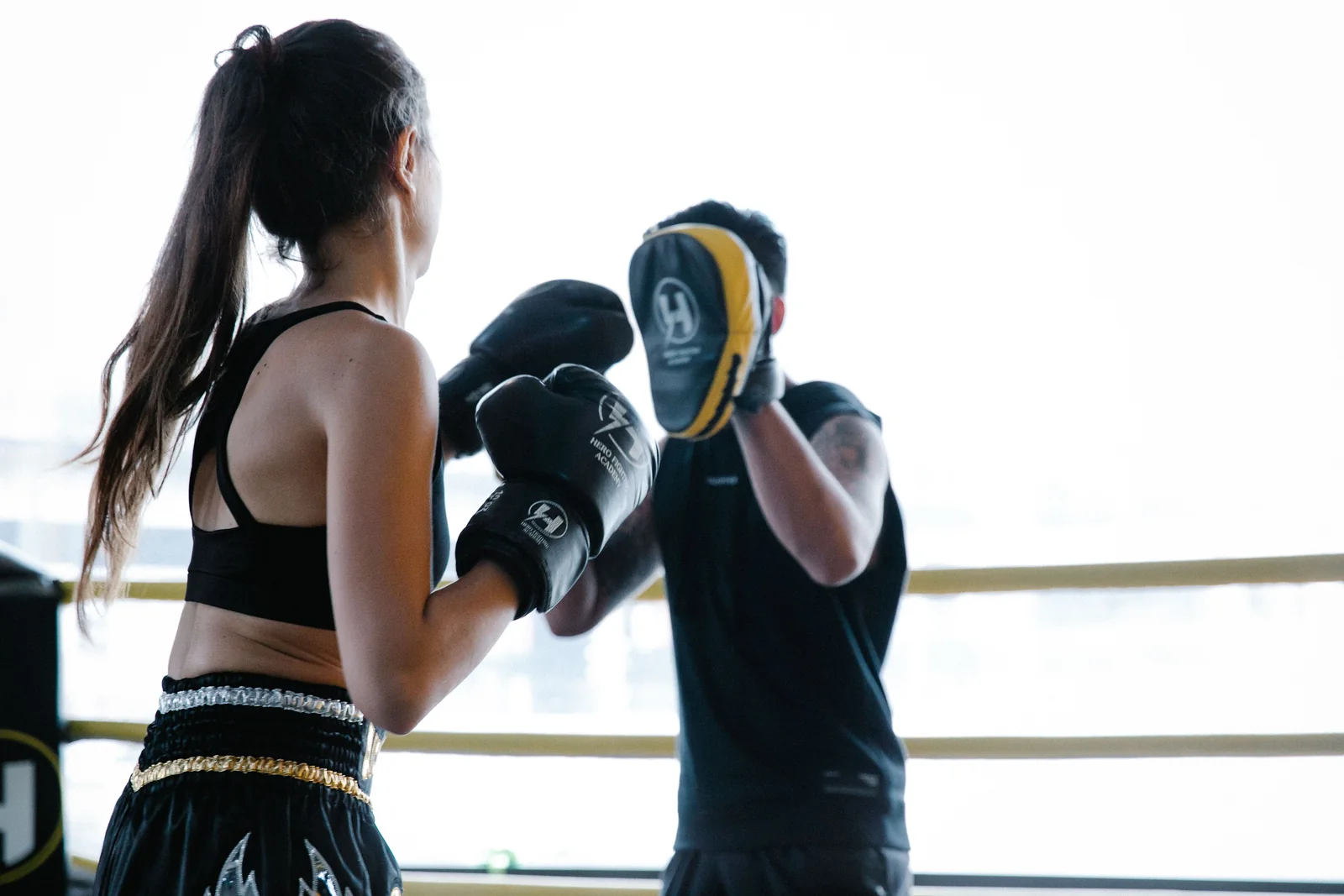
One person performs a technique and the other presents a situation, but those roles still leave questions. May the partner move? Should they hold a position? Is the aim to complete the technique or to recognise a change?
Choose a small task for each person. One might change distance calmly while the other notices the movement. Swapping roles makes each contribution easier to describe without falling into accusations that the partner is simply doing it wrong.
“Well done” is pleasant but does not say what to repeat. “Too slow” is little more precise. A shared observation is more useful: “When I stepped back, your front foot stayed where it was, so the gap grew.”
Then ask what the other person noticed. Perhaps the movement was hard to see, or the pace left too little time. The feedback can inform the next attempt without turning into a judgement of character.
A little resistance can reveal what complete cooperation conceals. If a position works only because the partner lets it happen, something may be missing. Resistance without an agreed task, however, can turn a drill into a contest neither person intended.
Agree which changes the partner can make. Direction might vary first, with pace added later. After the attempt, check whether the original question could still be recognised. If it disappeared under the new difficulty, reducing the task may help more than trying harder.
Trust here means relying on the partner to keep the agreement, avoid sudden escalation and stop when asked. It does not mean both people experience the task identically. Continuing to check with each other remains part of the exercise.
A closing conversation can examine useful feedback, the choice of pace and agreements that helped. Those observations concern the exercise just completed. They do not reveal with certainty how colleagues behave in meetings, projects or conflicts.
Before arranging such work for colleagues, discuss the purpose and limits. A workshop provides an opportunity to practise together. It cannot diagnose the organisation or promise to remove workplace difficulties.
Skill First
Want to explore a question from this article on the mat? Find a suitable training option or discuss where you would like to start.
Discuss your questionExplore the question from another angle.
Business & teams
A shared physical task can ask colleagues to agree a pace, swap roles and find a useful way to help each other.
Training & learning
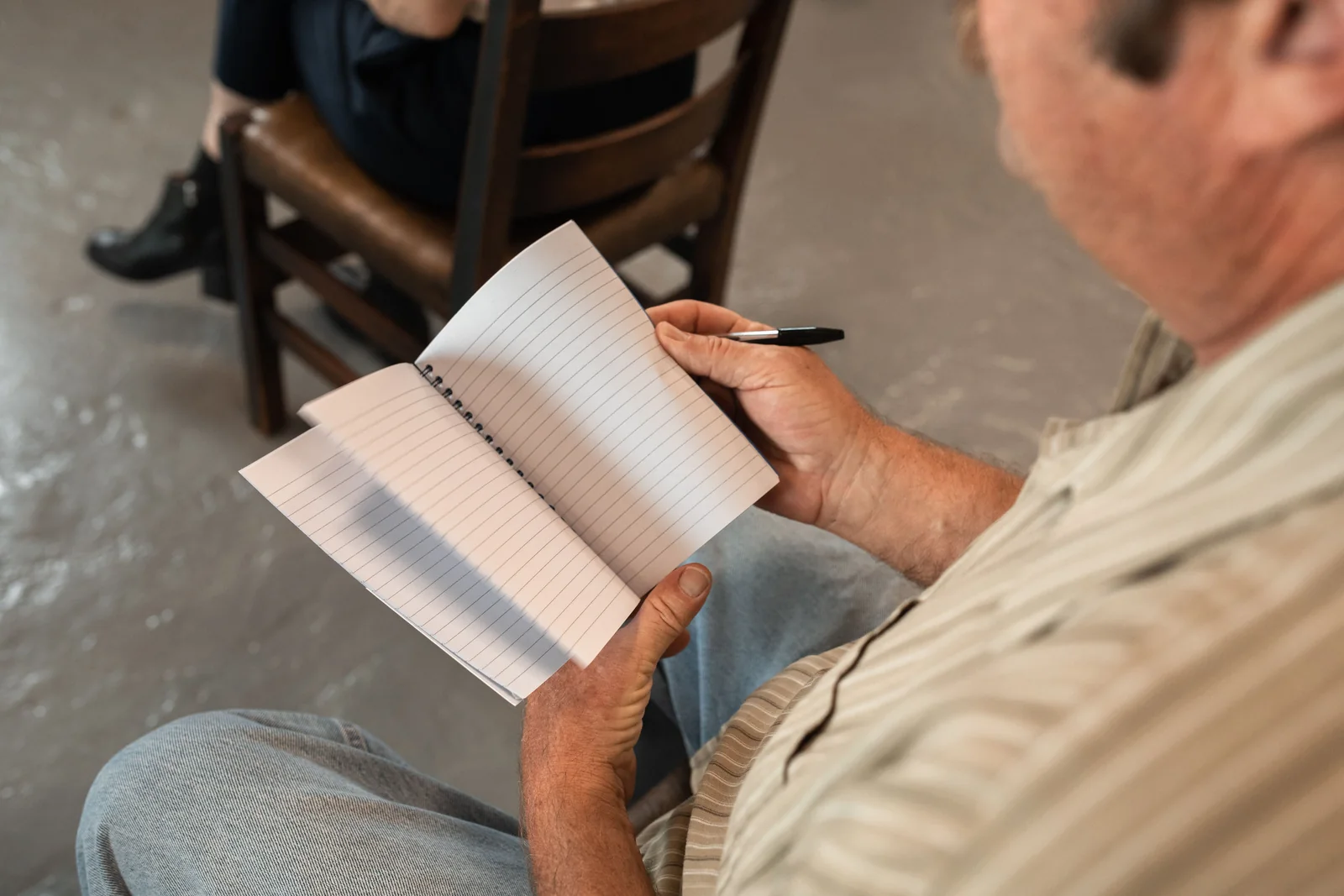
A useful note can be a few lines about a missed distance or lost grip. It does not need to preserve the whole lesson.
Training & learning
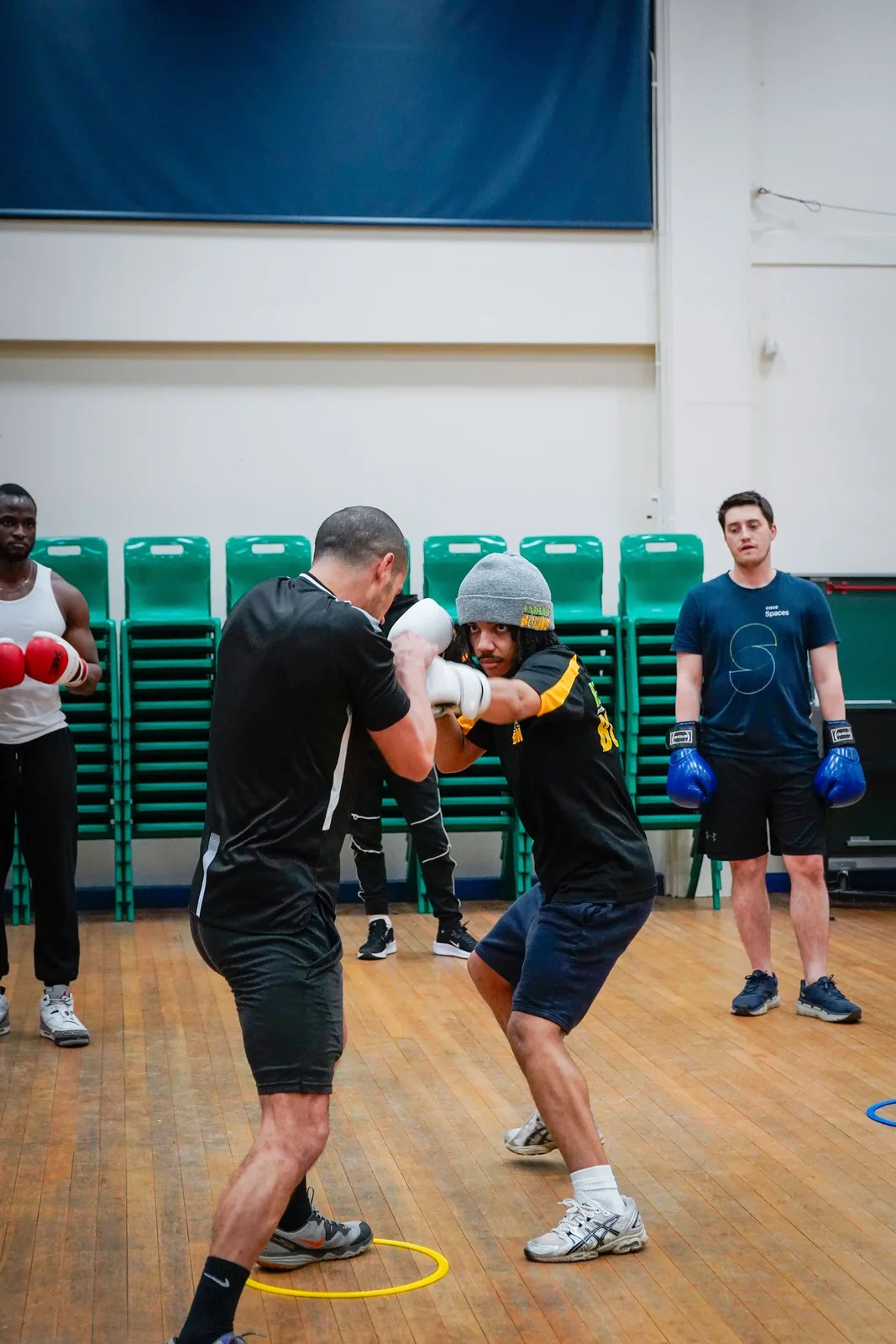
Clothes, contact and the reason for bringing the group together all deserve a clear answer before participants arrive.