
Self-defense
What does physical resilience training actually involve?
Distance, boundaries and choices can be practised with a partner. A useful programme explains what it does and what it cannot promise.
3 min read
Read articleSelf-defense
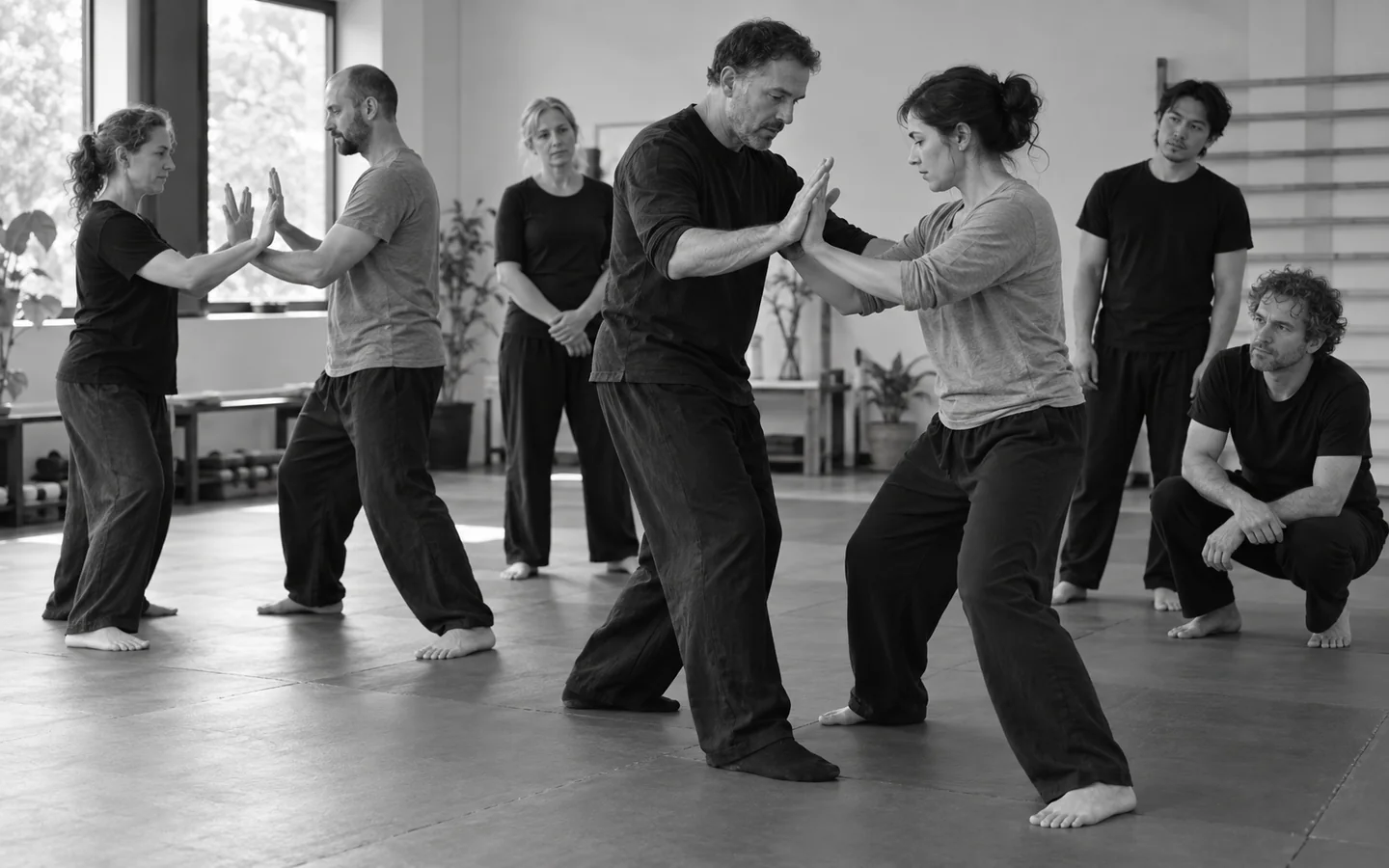
Two sessions may begin with a partner coming closer. In one, the task is to state a boundary. In the other, it is to find a way out. The movement alone does not explain the training.
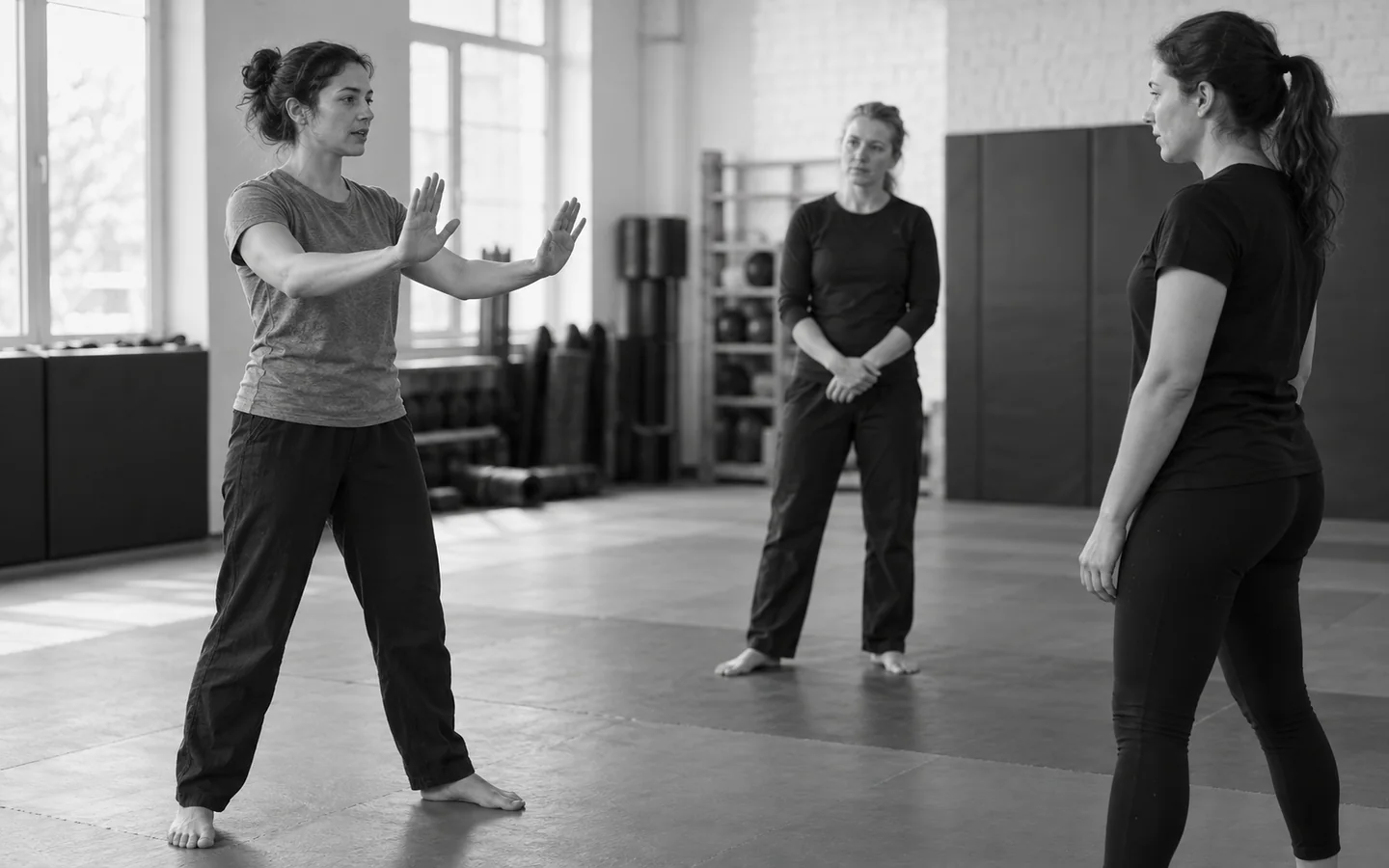
Practical physical resilience can examine how someone recognises space, communicates boundaries and keeps acting under an agreed amount of pressure. Self-defense places more emphasis on a threatening situation and the options for getting out of it.
There is overlap, but the names are not interchangeable. Ask what participants will actually do. A provider might offer physical practice, a theoretical session or a different kind of support under a similar name.
When a partner approaches, a drill might ask someone to judge distance. Starting in the same place, another task might ask them to find an exit. Each directs attention towards a different decision.
After the exercise, look at what the participant noticed and chose, as well as whether a movement succeeded. If the purpose was to communicate a boundary, an impressive physical response may say very little about the result that mattered.
A partner task creates room to try things because both people know the agreements. A real conflict does not come with those conditions. A successful drill cannot predict how an encounter outside the session will unfold.
Avoiding a situation, keeping distance, leaving and seeking help all deserve attention alongside physical work. Training cannot replace help with a current threat or treatment for psychological difficulties.
For a local physical resilience programme, the Zwolle service description sets out Skill First’s offer. Someone looking for self-defense should also examine what that training is intended to cover. The comparison begins with their own reason for attending.
For a school or a team, voluntary participation and different backgrounds need to be considered before the session. A shared aim does not require everyone to do exactly the same task or have the same experience.
Skill First
Want to explore a question from this article on the mat? Find a suitable training option or discuss where you would like to start.
Discuss your questionExplore the question from another angle.
Self-defense
Distance, boundaries and choices can be practised with a partner. A useful programme explains what it does and what it cannot promise.
Self-defense
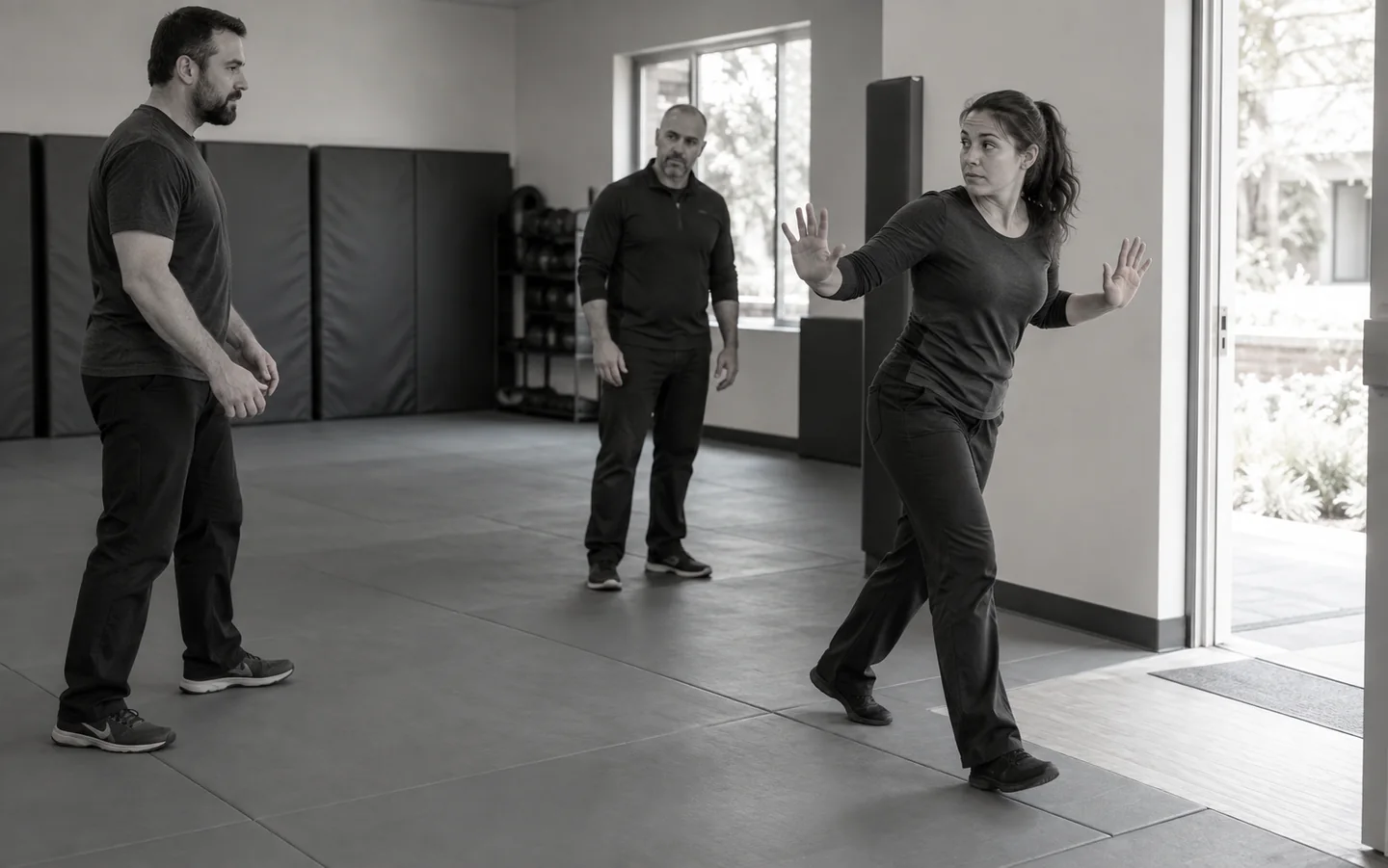
Known starts and cooperative partners make techniques easier to show. Training needs to be honest about what has been tested.
Self-defense
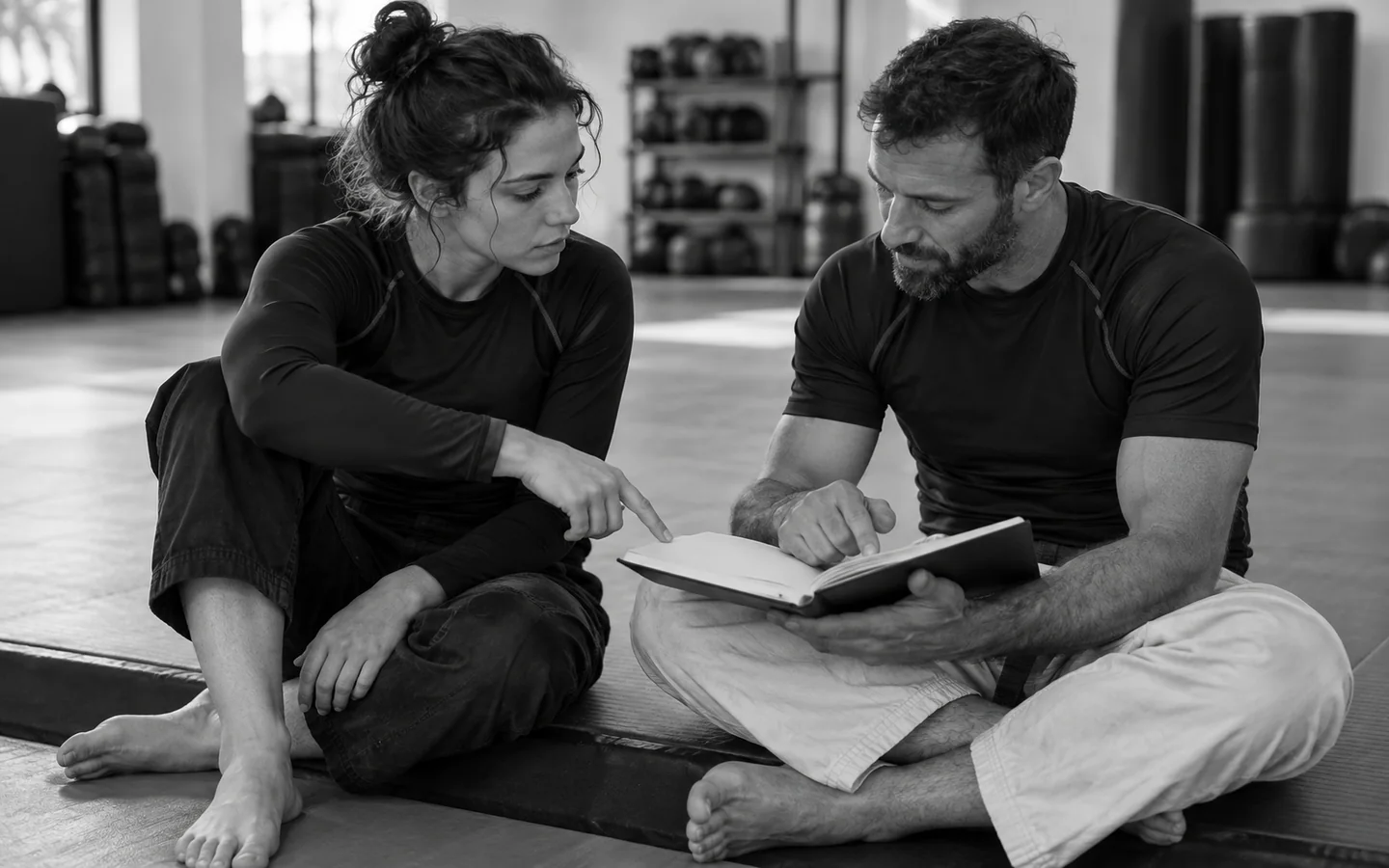
Ask how contact, stop signals and participation work in practice. An appealing programme name cannot answer those questions.