
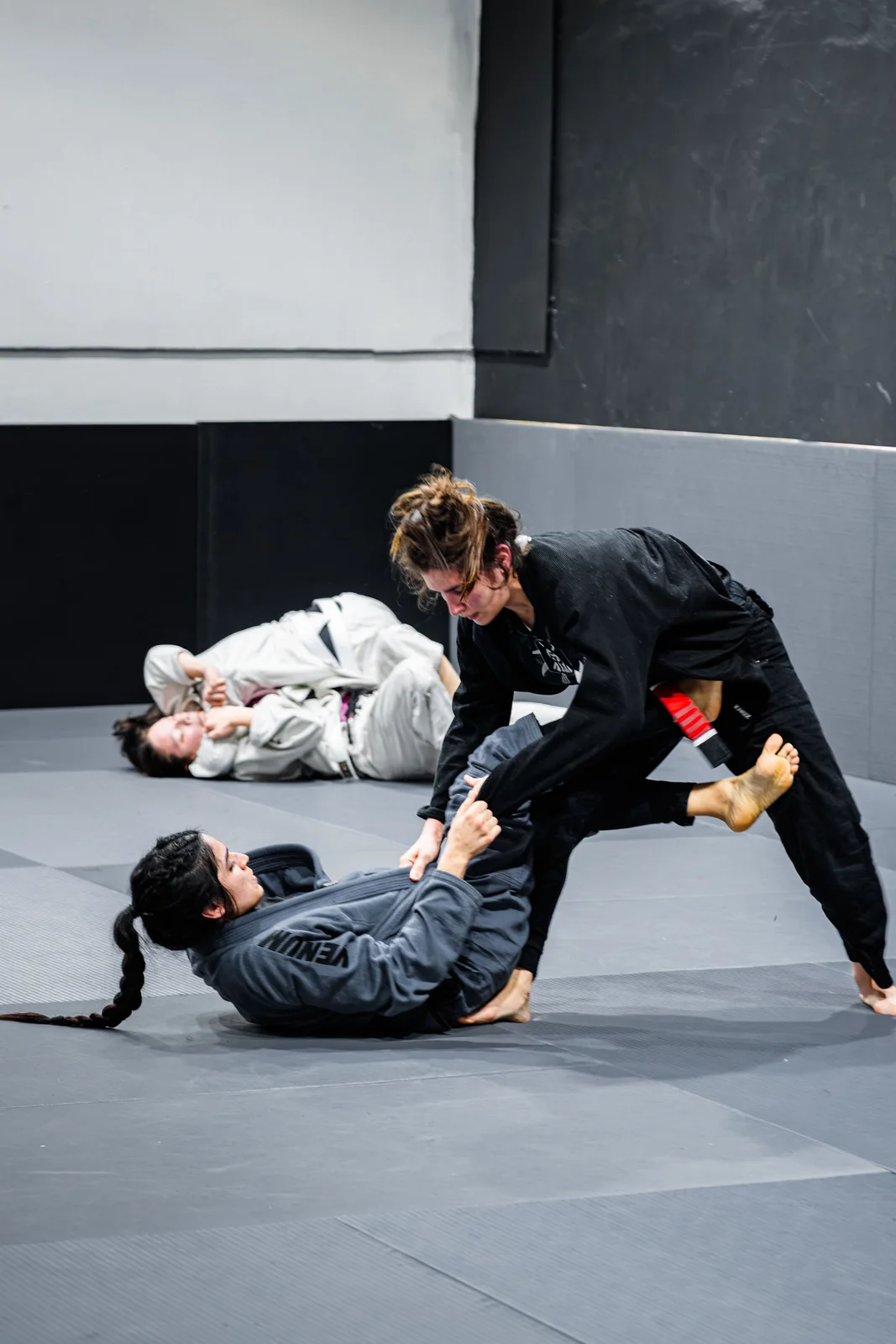
Grappling
What is Brazilian Jiu-Jitsu? What beginners learn on the mat
Why a grip can feel strong while the other person still escapes, and what positions and submissions have to do with it.
3 min read
Read articleGrappling
The person caught in a position should never have to argue for a stop. In grappling, a physical tap or a clear verbal signal ends the exercise immediately.
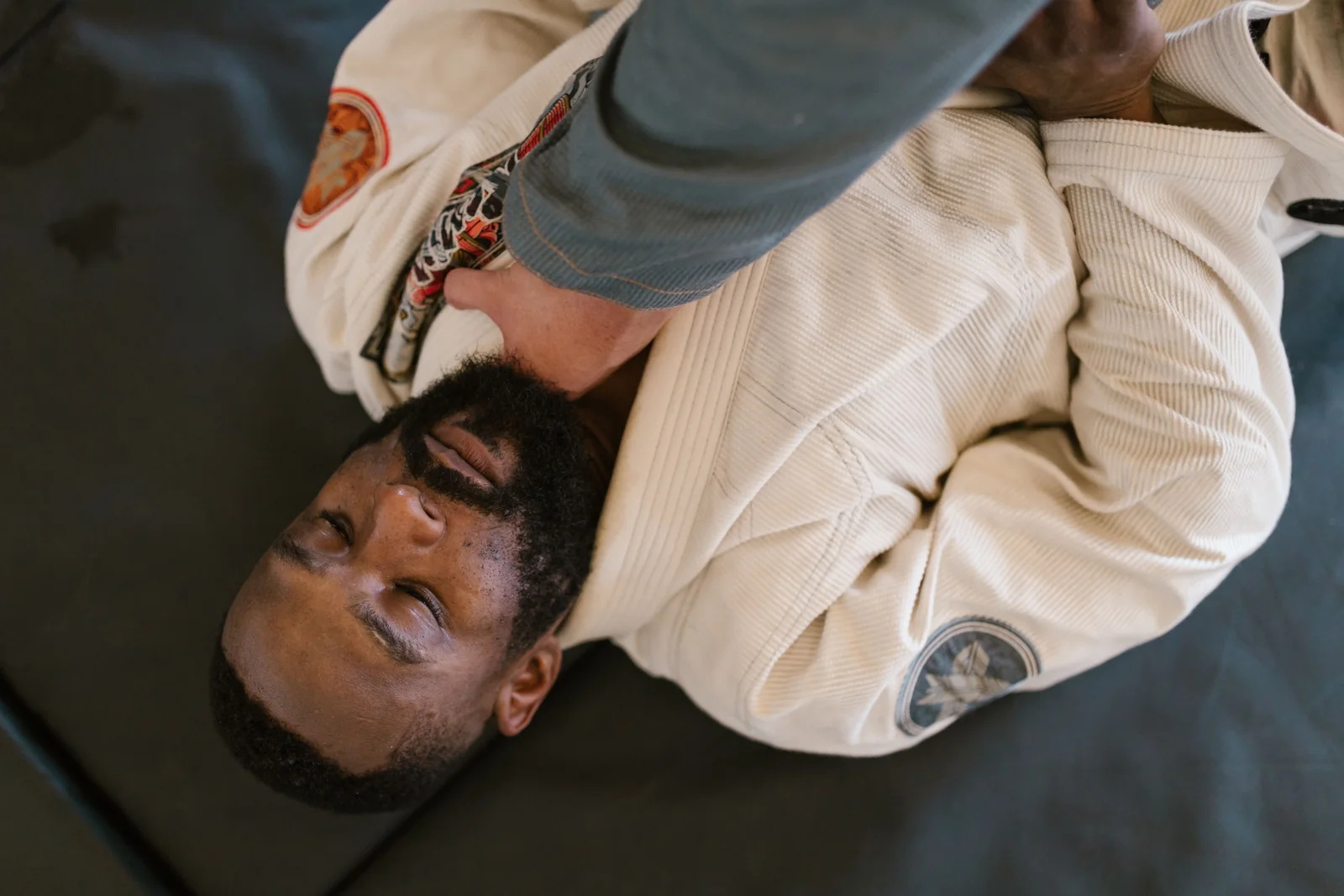
Tapping is an agreed stop signal in grappling. It can be given physically or verbally. A submission is one reason to use it, but an uncomfortable situation or an unclear task is enough too.
Before starting, check how each partner can signal. A physical tap that cannot be seen or felt is unreliable; a clear verbal stop needs to remain available. Both people should understand the same simple agreement: the signal ends the action immediately.
A training round does not become more useful because someone waits longer in discomfort. A limit can be stated before the person knows exactly which submission is developing. There is no need to test how far it can go.
For a beginner, uncertainty alone is a sound reason to pause and ask. Restarting from a clear position is better than staying silent to avoid interrupting the round.
Someone who taps does not owe a justification before the release. The partner applying a technique must stop, let go and reset. Whether the person was “really caught” is irrelevant at that moment.
Attention to the partner belongs in the round alongside attention to technique. Ignoring a limit breaks the agreement that allows both people to practise at all.
Once the action has stopped, a short discussion can return to what happened earlier. Had a grip already failed? Did the position change before the player recognised it? Start again from somewhere both partners understand.
A tap records what happened in that attempt, not a verdict on the player’s entire ability. Looking at the missed choice gives the next round something useful to practise.
Skill First
Want to explore a question from this article on the mat? Find a suitable training option or discuss where you would like to start.
Discuss your questionExplore the question from another angle.
Grappling
Why a grip can feel strong while the other person still escapes, and what positions and submissions have to do with it.
Grappling
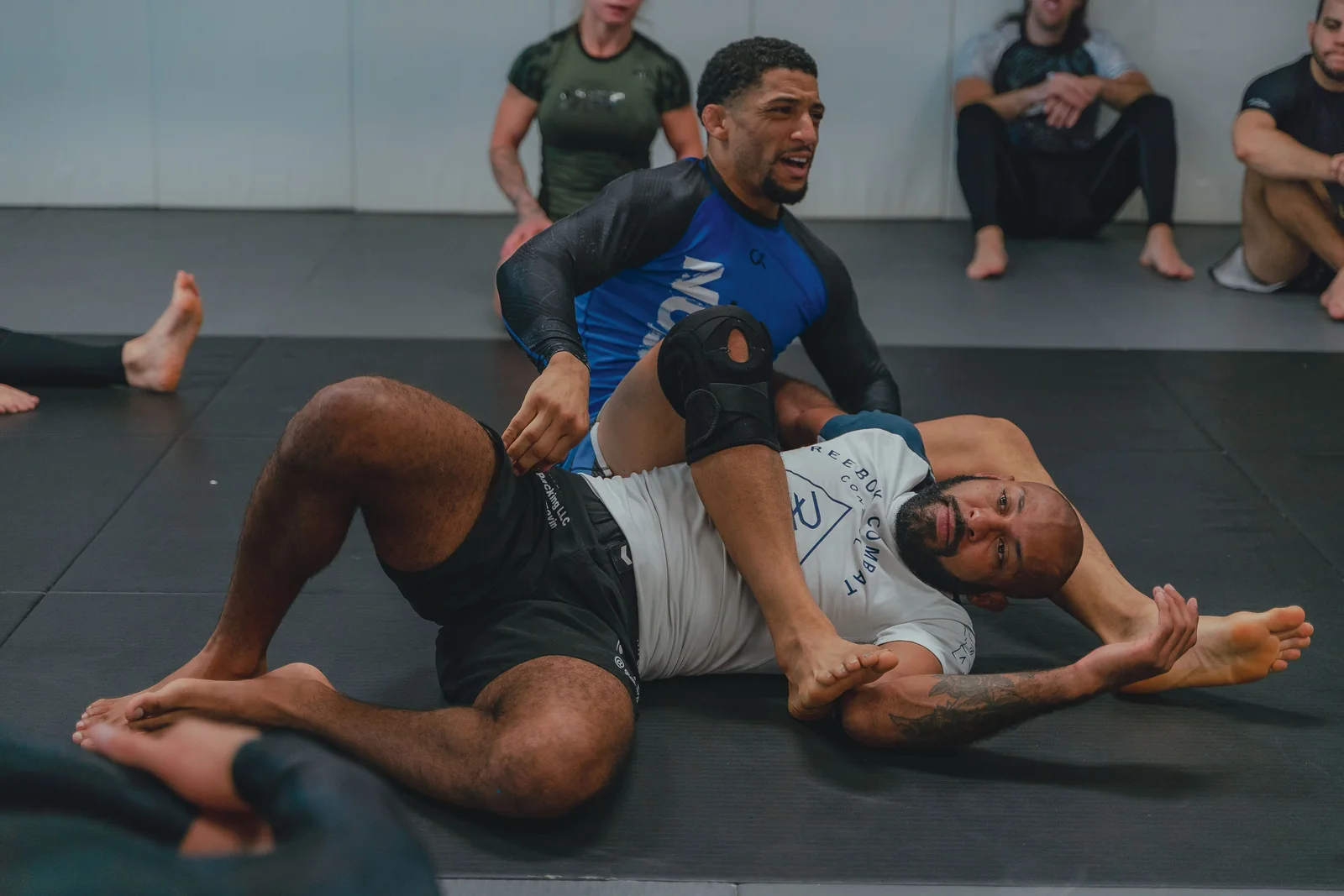
Take away a sleeve grip and the position may need a different answer. Clothing affects control and movement, not just appearance.
Grappling
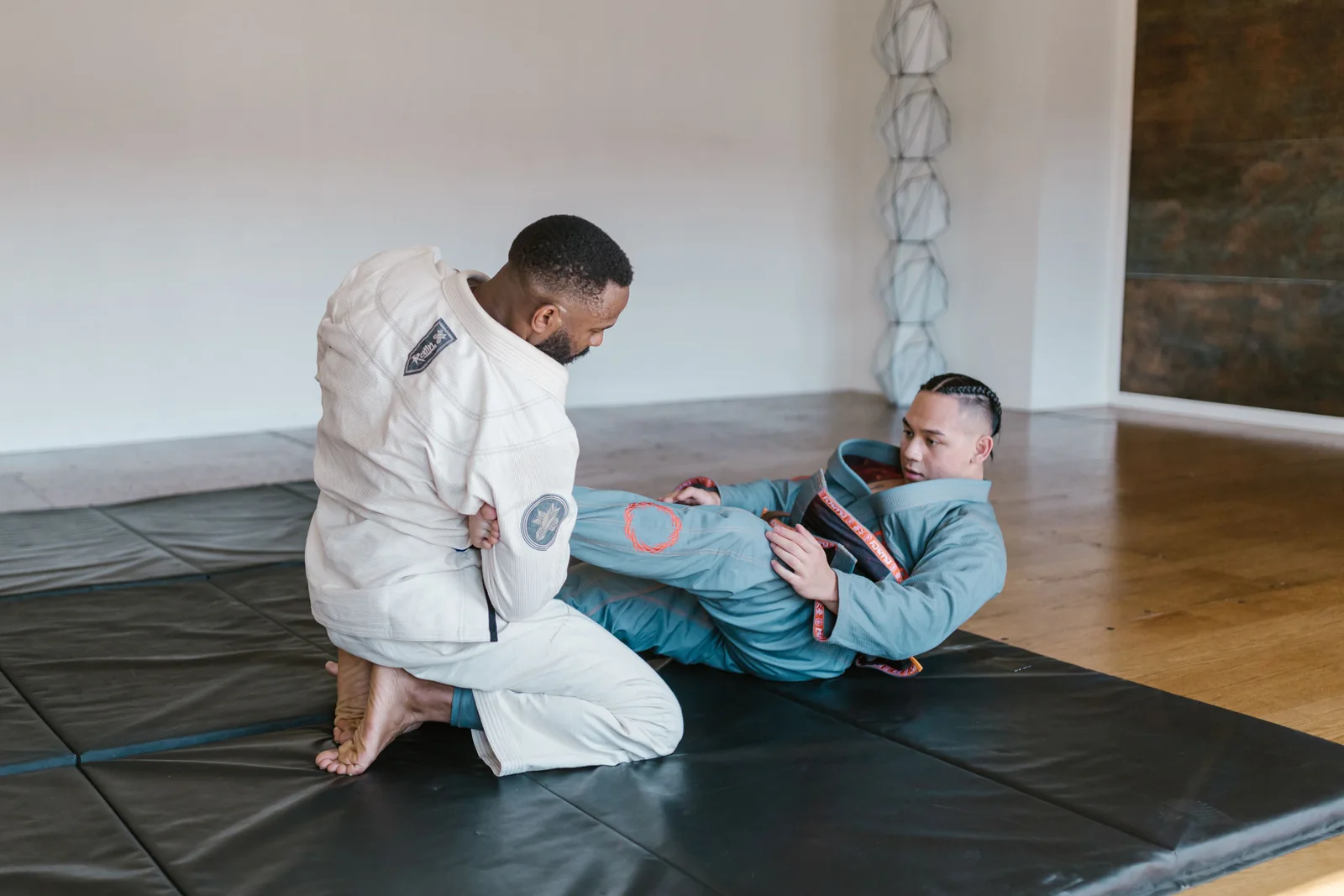
The name tells you where the players are. Their grips, balance and remaining room explain what can happen next.