
Training & learning
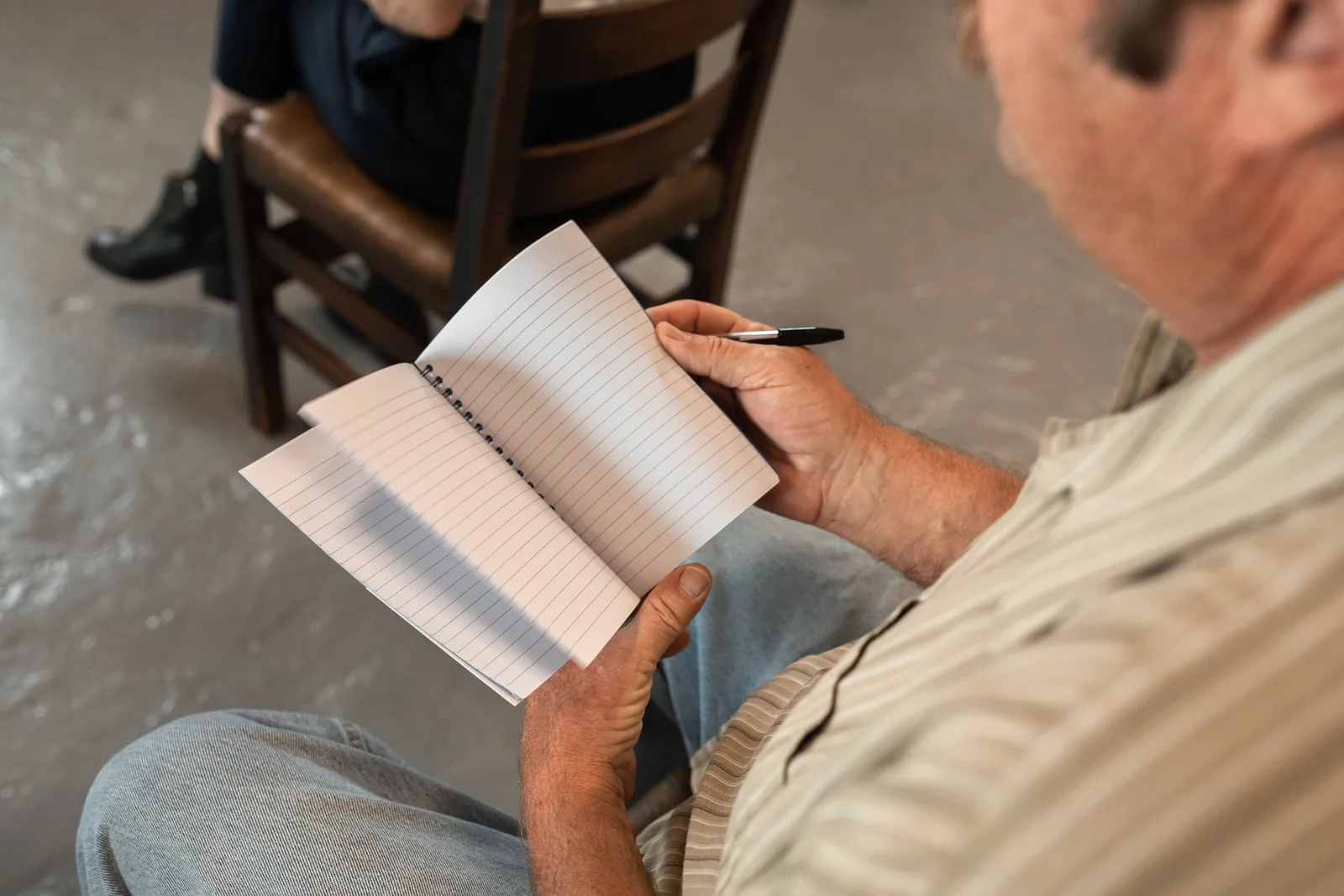
Martial arts training notes: record the moment worth trying again
A useful note can be a few lines about a missed distance or lost grip. It does not need to preserve the whole lesson.
2 min read
Read articleTraining & learning
A grip slips away and your first reaction is to squeeze harder. Martial arts gives you feedback about your technique and how you respond to difficulty. That is a practical place to begin exploring personal development.
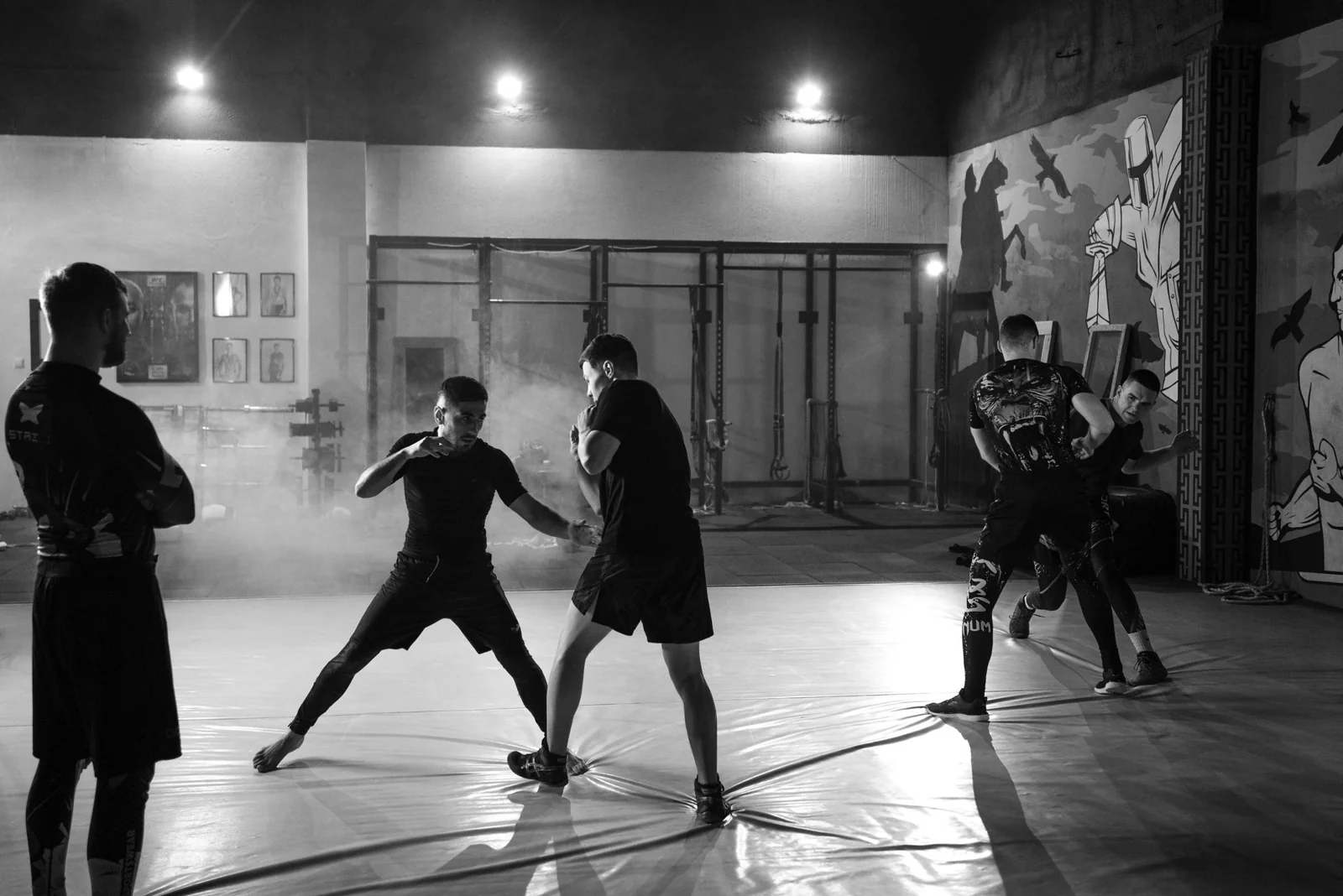
A position you thought was secure slips away. Your partner finds the opening and you have to start again. Before choosing another technique, something has already happened: you squeezed harder, held your breath or rushed to recover what you lost. Training gives you a chance to notice that first reaction.
Sometimes more effort is useful. Sometimes you are persisting with a solution that no longer fits. Telling the difference means observing what is happening and listening to the information your partner provides. Real resistance, matched to the task, makes that feedback fairly immediate.
When I talk about martial arts as a way to develop as a person, these are the moments I have in mind. You can recognise your response to a difficulty and try another one. Perhaps you loosen a grip, ask a question or spend an attempt understanding the position instead of immediately trying to win it back.
A round against resistance can make everything feel urgent. Under pressure, options that seemed obvious a moment ago may disappear from your attention. A well-designed training situation lets you reduce the difficulty, repeat part of the exchange and find out which information you were missing.
In a task about escaping a ground position, for example, the aim might be to recover enough space to move. If every attempt becomes a push with all your strength, the coach can reduce resistance or identify a particular support to look for. The next attempt then has something specific to explore, rather than a general instruction to stay calm.
You can also learn to say that you need a break. Recognising fatigue, uncertainty or a level of contact you do not want is part of making good decisions. Useful practice needs clear agreements and room to stop while you explore a difficulty.
Training with another person requires more than completing your own part. Holding pads means providing a useful target and listening when the pace is too high. In grappling, you can offer enough resistance to create a problem without turning every repetition into a contest. Your partner needs you to keep the agreement when you become enthusiastic too.
This raises some practical questions about yourself. Do you listen when someone asks for less intensity? Can you explain what you need without blaming them? Do you adjust when working with someone less experienced? These are behaviours you can observe and discuss without treating a round as a verdict on your character.
Trust between partners develops through those responses. When you know someone releases on the tap, respects a pause and adjusts their force, you can give more attention to learning. Becoming a reliable training partner is itself something to practise.
Some changes become visible before you have mastered a technique. You understand a position that used to confuse you. You know how to ask for a more useful explanation. You can enter a round with an intention and describe afterwards what happened. Those reference points help you recognise progress beyond who finished on top.
Over time, you can also get to know your limits more accurately. You notice the pace at which you still make decisions, when you need rest and which situations still require help. Confidence then has a foundation: you know more about what you can do and how to keep learning.
A short note after training can help you recognise the change. Something like ‘This time I asked to slow down before I lost control of the task’ is enough. The next session gives you another opportunity to see whether you notice that moment in time.
How a class is taught influences what you can learn from these experiences. You need somewhere you can ask questions, receive an understandable correction and work with partners who respect agreements. A group that rewards humiliating someone for a mistake or ignoring a stop signal is rehearsing different ways of relating to people.
A 2022 study of karate practitioners found associations involving practice, self-control, emotional reappraisal and life satisfaction. It compared existing groups, so it cannot establish that training caused those differences.
For someone choosing a class, it helps to ask what the setting allows you to practise. Having room to pause, listen, adjust a response and try again connects personal development to recognisable experiences. A discipline’s name or someone’s belt colour tells you rather less about that environment.
Away from the mat, situations and agreements are different. You can still use a training experience to ask a question elsewhere. Having learned to request a clearer instruction, you might recognise a conversation where the same request would help. Having noticed that rushing prevents you from observing, you can look for occasions when that happens outside training too.
You have to make that connection yourself. Start with something small: hear an explanation through before replying, express a boundary before becoming overwhelmed, or return to a difficult task with a more specific question. Then see whether it helps in that new situation.
Martial arts can offer somewhere to learn about yourself while developing a skill you care about. There is a partner who responds, choices with consequences and another opportunity to try. Making use of that means paying attention to how you participate as well as to the technique you are learning.
Skill First
If you'd like to practise something from this article, look at the training options or send me a message.
Discuss your questionMore articles on this topic.
Training & learning
A useful note can be a few lines about a missed distance or lost grip. It does not need to preserve the whole lesson.
Grappling
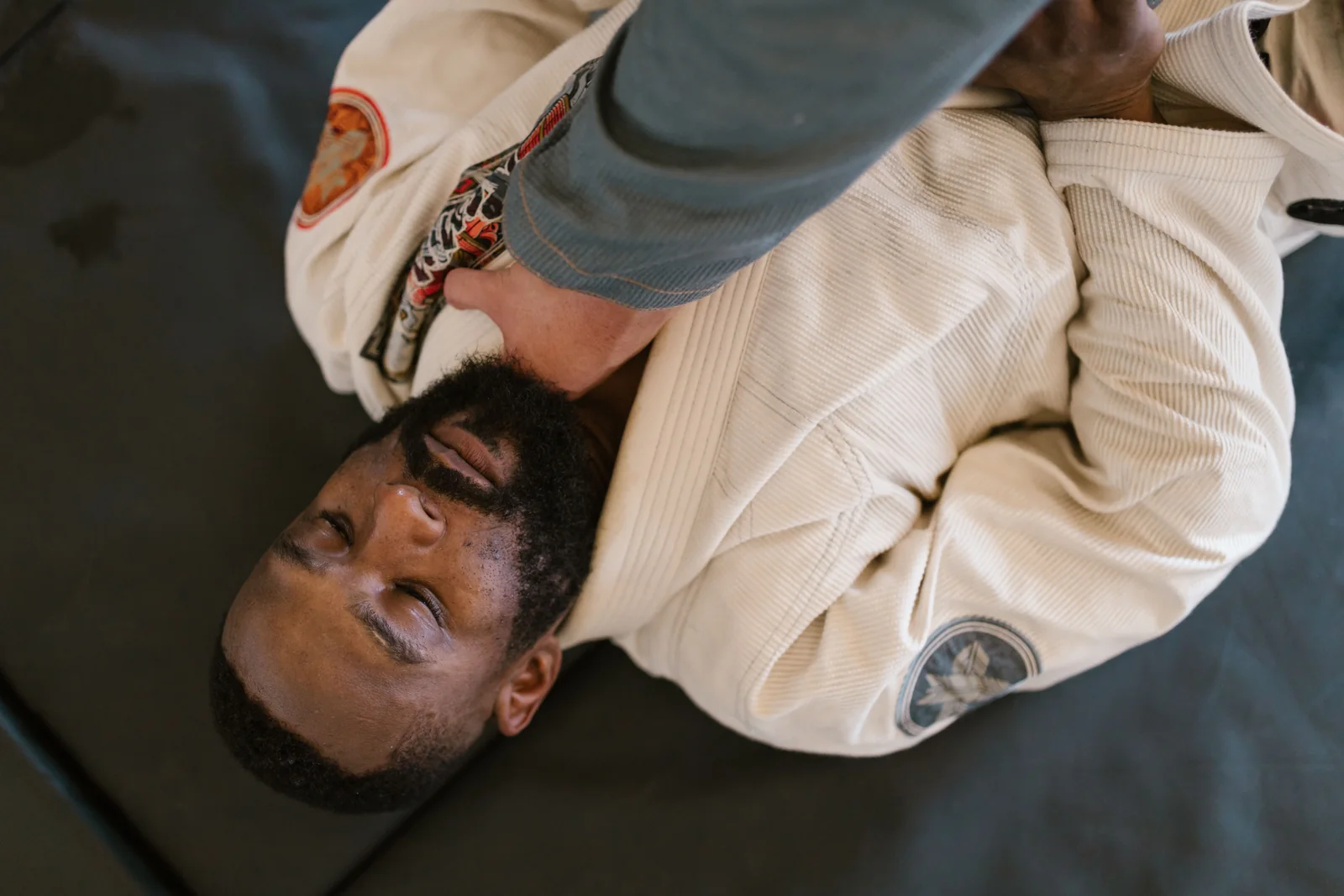
A tap can stop a submission, an uncomfortable position or a drill that has become unclear. Both partners have a responsibility.
Training & learning
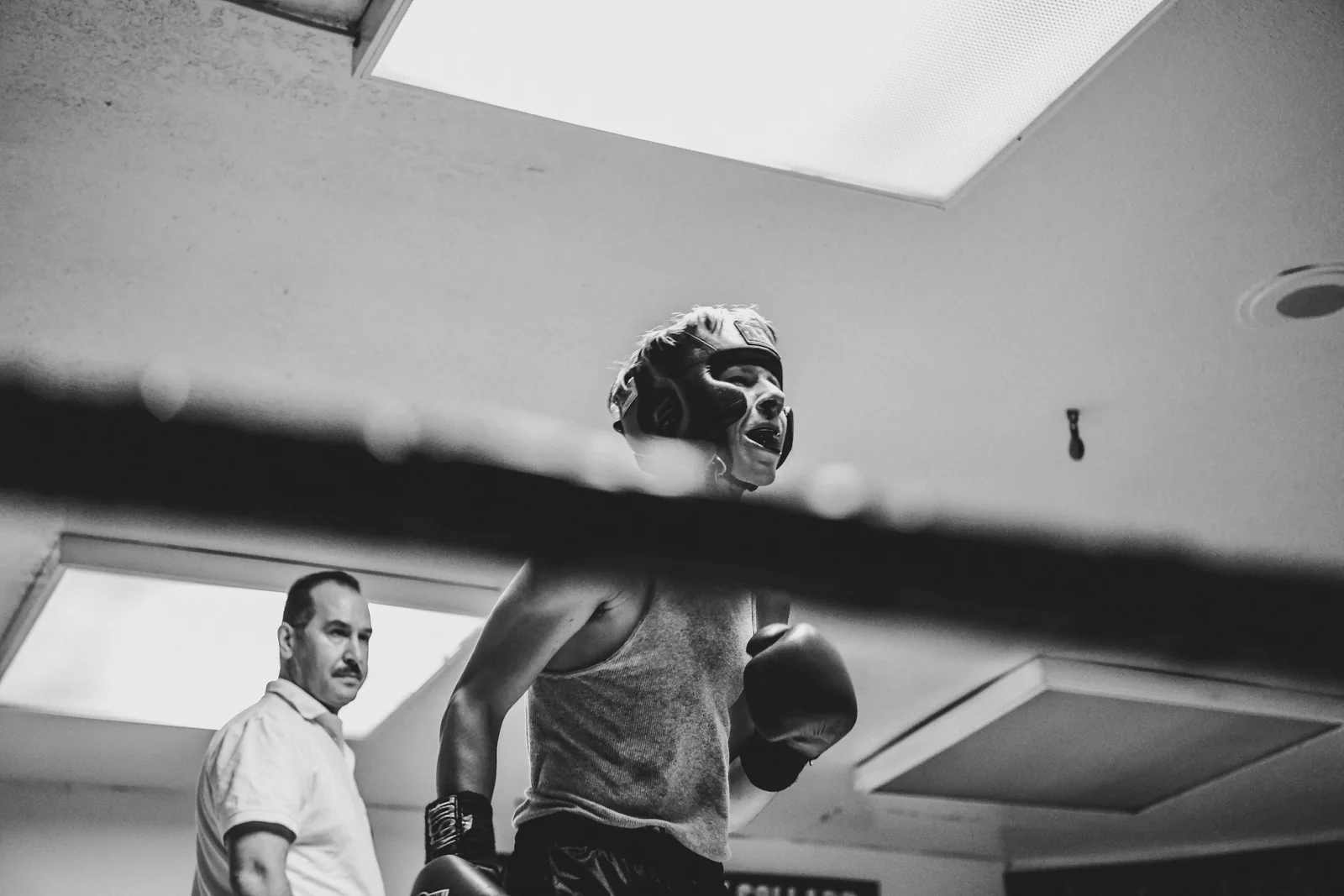
The useful preparation is often a conversation about partners, equipment and contact, rather than proving fitness or toughness.